


Finding the right audio equipment shop can make or break your experience as a musician, podcaster, home theater enthusiast, or casual listener. Whether you’re building your first home studio, upgrading a worn-out turntable, or investing in professional-grade monitoring speakers, the shop you choose matters just as much as the gear itself. A trusted audio equipment store doesn’t just sell products — it provides expertise, personalized guidance, after-sales support, and hands-on demos that online retailers simply cannot replicate. In this comprehensive guide, we’ll walk you through everything you need to know about finding, evaluating, and shopping at the best audio equipment shop, from beginner essentials to advanced studio-grade setups.
What to Expect from a Quality Audio Equipment Shop
A reputable music equipment store or audio specialty shop offers far more than shelf space filled with gadgets. The best shops employ staff who are passionate about sound — people who can tell you the difference between a balanced and unbalanced cable, explain the nuances of impedance matching, and recommend the perfect pair of headphones for your listening habits. These are places where you can audition speakers in a controlled listening room, test microphones before committing, and receive calibration advice for your home theater system.
Key Services Offered by Top Audio Shops
- Personalized consultations tailored to your specific needs, budget, and experience level
- In-store demos allowing you to hear equipment before purchasing
- Setup and installation services for home theaters, recording studios, and live sound systems
- Repair and maintenance for existing audio gear
- Trade-in and upgrade programs to help you transition between gear tiers
- Warranty handling and manufacturer support on your behalf

When evaluating a sound equipment shop, look for these hallmarks of quality. Shops that invest in demonstration rooms, employ knowledgeable staff, and offer post-purchase support typically deliver far better value than those that focus purely on volume sales.
Types of Audio Equipment You’ll Find at a Specialty Shop
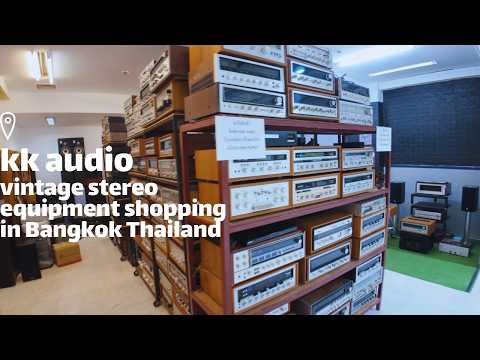
One of the greatest advantages of visiting a dedicated audio equipment shop is the breadth and depth of inventory. Unlike big-box retailers that carry a shallow selection of consumer electronics, specialty audio shops curate their stock with performance, reliability, and sonic quality in mind.
Consumer-Grade Audio Gear
For everyday listeners and beginners, you’ll find high-fidelity headphones, Bluetooth speakers, soundbars, portable media players, and entry-level turntables. These products are ideal if you want to enjoy music with noticeably better clarity than what mass-market earbuds provide. Brands like Audio-Technica, Sony, Sennheiser, and Klipsch dominate this space, and a good shop will have multiple models available for side-by-side comparison.
Professional and Semi-Professional Gear
If you’re a working musician, content creator, or engineer, the shop should stock professional microphones, audio interfaces, monitor speakers, mixing consoles, and recording software bundles. Names like Focusrite, Universal Audio, Shure, Neumann, and Presonus are staples in this category. A quality pro audio equipment store will also carry acoustic treatment panels, cables, stands, and other accessories that are essential for building a functional recording environment.
Home Theater and Hi-Fi Systems
Enthusiasts who care about immersive sound will find floor-standing speakers, center channels, surround sound packages, amplifiers, AV receivers, and media streamers. Shops specializing in high-quality speakers and audio systems often feature demonstration rooms where you can experience Dolby Atmos setups or stereophile-grade two-channel systems in action.
How to Choose the Right Audio Equipment Shop for Your Needs
Not all shops are created equal, and selecting the wrong one can lead to frustration, wasted money, and gear that doesn’t suit your purposes. Here are the critical factors to consider:
- Reputation and reviews — Check Google Reviews, Reddit communities, and audiophile forums for honest feedback about local and online shops.
- Staff expertise — Ask whether the staff includes trained audio engineers or experienced musicians. Knowledgeable employees are a differentiator.
- Product selection — Does the shop carry multiple brands and price tiers, or is it limited to a single manufacturer’s lineup?
- Demo opportunities — Can you listen to speakers, audition headphones, or test interfaces before buying?
- Return and warranty policies — A generous return window signals confidence in the products they sell.
- After-sales support — Look for shops offering setup assistance, firmware updates, and ongoing maintenance.
Beginner’s Guide to Buying Audio Equipment
If you’re new to the world of quality audio, walking into an audio equipment shop for the first time can feel overwhelming. Start by identifying your primary use case. Are you looking to listen to music more enjoyably, start a podcast, build a gaming setup with immersive sound, or record music at home?
Essential Tips for First-Time Buyers
- Set a realistic budget. You don’t need to spend thousands to hear a dramatic improvement over cheap consumer gear. Entry-level headphones with a DAC can start as low as $100.
- Prioritize headphones or speakers first. These are the components that most directly affect what you hear. Everything else is secondary.
- Avoid brand loyalty at this stage. Instead, focus on what sounds best to your ears. Different brands cater to different sonic preferences.
- Ask for beginner-friendly recommendations. A good shop will steer you toward gear that matches your budget without overselling.
- Consider future needs. If you think you might record vocals someday, choosing an audio interface with a built-in preamp is a smart move.
Beginners should also be aware of common pitfalls like buying gear based on aesthetics alone, ignoring impedance compatibility, or purchasing equipment without understanding the signal chain. A knowledgeable salesperson at a well-run music equipment store can help you avoid these mistakes entirely.
Intermediate: Upgrading Your Audio Setup
Once you’ve outgrown your initial purchases, the upgrade path becomes more nuanced. Intermediate users typically know what they like and are now focused on refining their sound. This is where a specialized audio equipment shop earns its value through expert advice on incremental improvements.
Key Upgrades to Consider
- Upgrading cables and interconnects — Poor-quality cables can introduce noise and degrade signal integrity, especially in longer runs.
- Adding a dedicated DAC — If you’re currently relying on your computer’s built-in sound card, a USB DAC can dramatically improve output quality.
- Expanding to a multi-monitor setup — For producers, switching from closed-back headphones to nearfield studio monitors opens up a completely new listening perspective.
- Investing in acoustic treatment — Even the best speakers sound poor in an untreated room. Bass traps, diffusers, and absorption panels are essential.
- Streamlining your signal chain — Consolidating outboard gear into a high-quality interface or preamp unit simplifies your workflow.
At this level, consider visiting a shop that offers system tuning services. Some high-end audio retailers will optimize your entire setup — speaker placement, room correction, amplifier matching — for a fee, and the results are often transformative.
Advanced: Pro-Level Gear and Studio Equipment
For professionals and serious enthusiasts, the pro audio equipment store becomes a partner in your creative business. At this tier, you’re likely investing in reference-class monitors, vintage or boutique microphones, high-channel-count mixing consoles, and specialized outboard processing.
What Sets a Pro-Grade Shop Apart
- Access to rare and discontinued models — Vintage gear collectors rely on specialty shops that source and refurbished classic equipment.
- Custom system integration — Whether it’s a broadcast truck, a mastering suite, or a live concert rig, advanced shops design and install complete systems.
- Manufacturer relationships — Top-tier shops often carry exclusive product lines or receive early access to new releases.
- Consulting services — Acoustic analysis, room modeling software, and system calibration using measurement microphones and software like RoomEQ or Dirac Live.
If you’re outfitting a professional studio, budget at least several thousand dollars for monitoring alone, and factor in acoustic treatment, cabling, and backup equipment. A trusted professional audio gear supplier will help you build a system that meets broadcast or mastering standards.
Online vs. In-Store: Comparing Your Shopping Options
Many shoppers debate whether to buy audio equipment online or in person. Both approaches have merit, but they serve different needs. Here’s a detailed comparison to help you decide:
| Factor | In-Store Shopping | Online Shopping |
| Sound quality testing | Hands-on auditioning available | Reviews and specs only |
| Expert advice | Immediate, face-to-face consultation | Chat or email support with delays |
| Price | Sometimes higher; includes service value | Often lower; easy price comparison |
| Selection | Limited by physical shelf space | Broader catalog and brands |
| Return process | Instant returns and exchanges | Shipping required; restocking fees possible |
| Convenience | Requires travel and time | Shop from home, delivered to door |
| Used/refurbished gear | Can inspect and test in person | Risk without seeing the actual unit |
For most people, the ideal approach combines both: research online, audition in-store, and purchase from whichever channel offers the best combination of price, support, and availability. Many audio equipment shops now offer click-and-collect services, letting you reserve gear online and test it before finalizing the purchase in person.
Top Brands Every Audio Equipment Shop Should Carry
When evaluating a shop’s credibility, take a close look at which brands they stock. A shop that carries respected industry names demonstrates that it serves serious buyers. Here are brands consistently found in quality audio retailers:
- Microphones: Shure, Neumann, AKG, Sennheiser, Audio-Technica
- Headphones: Sennheiser, Beyerdynamic, Audeze, HiFiMAN, Focal
- Studio Monitors: Genelec, Neumann, Yamaha HS series, Kali Audio, JBL
- Audio Interfaces: Focusrite, Universal Audio, RME, MOTU, Presonus
- Amplifiers and Receivers: Marantz, Denon, NAD, Cambridge Audio, Rotel
- Speakers (Hi-Fi): Klipsch, KEF, Bowers & Wilkins, Elac, Dali
- DJ and Live Sound: Pioneer DJ, Behringer, Allen & Heath, QSC
If a shop only stocks unknown or unverified brands, proceed with caution. Established brand presence is a reliable signal that the retailer maintains professional standards and has access to legitimate supply chains.
Expert Tips for Getting the Best Deal at an Audio Equipment Shop
Saving money on audio gear doesn’t mean sacrificing quality. Experienced buyers use these strategies to maximize value:
- Shop end-of-season sales and trade-in events. Many audio shops run clearance events where open-box or returned items are sold at steep discounts.
- Ask about bundle pricing. Purchasing an interface with cables and a stand as a bundle is often cheaper than buying each item separately.
- Don’t overlook refurbished or used gear. Certified pre-owned equipment from a reputable shop often comes with a warranty and is virtually indistinguishable from new.
- Negotiate on big-ticket items. Floor-standing speakers, amplifiers, and mixing consoles are frequently negotiable, especially on older model years.
- Compare pricing discreetly. Show a competitor’s online price to a local shop and ask if they’ll match it. Many will.
- Sign up for loyalty programs. Repeat customers at dedicated audio shops often receive discounts, early access to sales, and priority service.
Conclusion: Invest in the Right Audio Equipment Shop
Your choice of audio equipment shop shapes every purchase you make from that point forward. A great shop educates you, listens to your needs, and helps you grow — whether you’re buying your first pair of studio headphones or outfitting a professional broadcast facility. Take your time, visit multiple shops, ask questions, and trust the process. The right retailer will prove to be an invaluable partner in your audio journey, delivering not just products but confidence in every note you hear.
Frequently Asked Questions (FAQs)
1. What is the best audio equipment shop for beginners on a budget?
Look for shops that offer beginner consultation services and carry entry-level product lines from brands like Audio-Technica, Yamaha, and Focal. Many shops provide starter bundles that include everything you need without overspending. Prioritize stores with knowledgeable staff who won’t pressure you into expensive upgrades.
2. Can I trust online audio equipment shops as much as physical stores?
Reputable online audio equipment shops are trustworthy, especially those with verified customer reviews, generous return policies, and direct partnerships with manufacturers. However, always research the seller’s reputation before purchasing high-value items. Established stores with decades of history — whether online or brick-and-mortar — are generally safer bets.
3. How often should I upgrade my audio equipment?
There’s no fixed schedule. Most enthusiasts upgrade every three to five years, though professional studios may refresh gear annually to stay current with technology. Focus on upgrading the weakest link in your chain first — typically speakers or headphones yield the biggest perceptual improvement.
4. What should I look for in a professional audio equipment shop for studio use?
Seek shops that offer acoustic consultation, system calibration, and carry professional brands like Genelec, Neumann, Focusrite, and Universal Audio. The shop should understand signal flow, room acoustics, and the specific demands of recording, mixing, and mastering environments. After-sales support and firmware updates are essential as well.
5. Are extended warranties worth purchasing from an audio equipment shop?
For high-end and professional gear, extended warranties can be worthwhile, especially for components with complex electronics like amplifiers, interfaces, and studio monitors. However, for budget-friendly items, standard manufacturer warranties often suffice. Always read the fine print and compare the warranty cost against potential repair expenses.
6. How can I find a reliable local audio equipment shop near me?
Start by searching for “audio equipment shop near me” and then cross-reference results with Google Reviews, audiophile forum recommendations, and local music community boards. Visit in person to evaluate the store’s atmosphere, staff knowledge, and demo options. A shop that invites you to listen, ask questions, and explore without pressure is usually a strong candidate.