


Navigating the crowded landscape of auto insurance can feel like driving through a foggy intersection without a map. Finding the right coverage at the right price requires sifting through dozens of providers, each with different discounts, limits, and exclusions. Fortunately, the best auto insurance comparison site tech has transformed this chaotic process into a streamlined digital experience. Rather than visiting fifty different insurance company websites, modern comparison technology aggregates real-time quotes in seconds. These platforms leverage advanced algorithmic pricing, artificial intelligence, and massive data partnerships to present consumers with personalized policy options. Whether you are a daily commuter or a rideshare driver, understanding the technology behind these comparison engines is the first step toward unlocking massive savings on your car insurance premiums.
Why Auto Insurance Comparison Technology Matters
The auto insurance industry is notoriously fragmented, with hundreds of carriers offering overlapping yet distinct policies. Without the right comparison technology, consumers often overpay for coverage or miss out on niche discounts tailored to their specific driving habits. With annual premiums continuing to rise due to inflation and expensive vehicle repair costs, comparison platforms bridge the gap between consumers and insurers by automating what used to be a manual, hours-long process. The technology behind these sites pulls from vast underwriting databases, ensuring that the quotes you receive reflect your actual risk profile. This transparency forces insurers to compete more aggressively on pricing and service quality, ultimately benefiting the policyholder.
How Comparison Engines Aggregate Data
At the core of every top-tier comparison platform lies a complex backend infrastructure. When you input your zip code, vehicle identification number, and driving history, the technology sends an electronic inquiry to multiple insurance carriers simultaneously. This process relies on direct API integrations and third-party data providers like Quadrant Information Services or LexisNexis. The best auto insurance comparison site tech ensures that the data pulled is current and accurate, preventing the frustrating discrepancies between online quotes and final policy prices. By standardizing the data input, these engines provide apples-to-apples comparisons that are impossible to achieve manually.
Top Auto Insurance Comparison Site Technologies You Can Trust
Not all comparison engines are created equal. Some rely on outdated databases, while others employ cutting-edge machine learning to refine their results. Understanding the different types of comparison technology helps you choose the right platform for your specific needs.
AI-Driven Quoting Platforms
Modern platforms have moved beyond simple form submissions. AI-driven quoting platforms analyze your driving behavior and historical claims data to predict which insurers are most likely to offer you competitive rates. These systems continuously learn from millions of data points, refining their recommendations over time. If you have a clean driving record but a low credit score, for instance, an AI engine might prioritize insurers that use telematics or non-credit-based pricing models. This level of granularity is what separates a basic quote calculator from a true comparison marketplace.
Traditional Aggregators vs. Modern Marketplaces
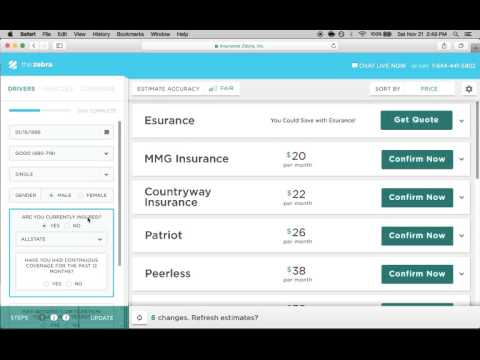
Traditional aggregators act as lead generators, passing your information to insurers who then contact you. While effective, this method can result in an overwhelming influx of phone calls and emails. Modern marketplaces, on the other hand, utilize sophisticated comparison technology that allows you to view side-by-side policy breakdowns without leaving the site. They prioritize visual data presentation, highlighting coverage limits, deductibles, and premium costs in a clean, organized format. When evaluating the best comparison sites, look for those that offer real-time binding or guaranteed rate lock features, which prevent quotes from expiring while you deliberate.
How the Best Comparison Tools Evaluate Car Insurance Rates
Comparison technology evaluates rates based on a multitude of rating factors. These platforms break down the complex mathematical models insurers use to calculate premiums, ensuring that every comparison is as accurate as possible by considering everything from your annual mileage to your residential territory.
| Coverage Component | Avg. Annual Cost | Comparison Tech Used |
| Liability Only | $600 – $900 | Basic Aggregation |
| Full Coverage (Low Deductible) | $1,400 – $1,800 | AI Risk Assessment |
| Full Coverage (High Deductible) | $1,000 – $1,300 | Telematics Integration |
| Rideshare/Delivery Endorsement | $2,200 – $3,000 | Real-Time Underwriting APIs |
Key Features to Look for in Auto Insurance Comparison Technology
When selecting a platform to compare your next policy, not all comparison site tech delivers the same value. Here are the critical features you should demand from any modern comparison engine:

- Real-Time Quote Generation: Outdated systems that require you to wait for manual underwriting responses are obsolete. The best platforms pull live rates from carrier databases instantly.
- Discount Identification Algorithms: Many drivers miss out on bundling discounts, safe-driving credits, or loyalty perks. Advanced tech scans your profile for hidden savings that standard calculators ignore.
- Seamless User Interface and UX: A clunky interface ruins the experience. Top-tier comparison tools feature intuitive navigation that guides you through coverage limits and deductibles with contextual explanations.
- Direct Binding Capabilities: The ultimate goal of comparison technology is not just to show you a price, but to get you insured immediately. Platforms offering direct binding allow you to purchase the policy right from the comparison page.
Expert Tips for Maximizing Your Auto Insurance Comparison Results
To truly harness the power of auto insurance comparison technology, you need to know how to interact with these systems effectively. First, ensure your information is pristine before hitting the compare button. Even a minor error in your annual mileage can drastically alter the algorithmic output. Before starting, pull your credit report to ensure there are no errors that could artificially inflate your premiums, as insurers heavily weigh credit-based insurance scores. Second, always check for coverage equivalency. Comparison tools sometimes display quotes that have different liability limits; a cheaper quote might offer lower protection. Third, take advantage of the filter functions. Many sites allow you to sort results by customer satisfaction scores, J.D. Power ratings, or specific financial strength grades from AM Best. By filtering intelligently, you avoid the trap of choosing the cheapest policy that leaves you exposed during a claim. Finally, clear your browser cookies before starting a new search, as some comparison engines might use session data to adjust quote availability based on previous browsing behavior.
Conclusion
The evolution of the best auto insurance comparison site tech has revolutionized how consumers purchase coverage. No longer must you spend days calling agents or filling out repetitive web forms. By leveraging AI, real-time APIs, and sophisticated data aggregation, today’s comparison platforms empower buyers with the knowledge needed to make informed decisions. As this technology continues to mature, we can expect even more personalized, instantaneous, and transparent insurance shopping experiences. Embrace the digital tools at your disposal, and take control of your car insurance costs today.
Frequently Asked Questions
What makes the best auto insurance comparison site tech different from standard quote calculators?

Standard quote calculators provide a single insurer’s price based on basic demographic data. In contrast, the best auto insurance comparison site tech utilizes real-time API integrations and AI-driven algorithms to pull live quotes from multiple carriers simultaneously. This technology evaluates your specific risk profile against diverse underwriting criteria, ensuring that the displayed premiums are highly accurate and competitive.
How accurate are the quotes generated by car insurance comparison technology?
The accuracy of quotes depends heavily on the underlying comparison technology and the data feeds provided by the insurers. Reputable platforms pull direct from carrier underwriting systems, meaning the quotes are virtually identical to what you would receive if you visited the insurer’s website directly. However, slight variations can occur if the comparison engine does not have access to the most recent discount adjustments or if your input data differs slightly between queries.
Can comparing car insurance rates online actually save me money?
Yes, comparing car insurance rates online is one of the most effective ways to reduce your premiums. The technology behind comparison sites allows you to benchmark your current policy against dozens of competitors in seconds. By revealing the gap between what you currently pay and the market average, these platforms empower you to negotiate better terms or switch to a more affordable provider without sacrificing coverage quality.
Do auto insurance comparison websites sell my personal information?
Data privacy is a common concern regarding online insurance comparison technology. While many comparison engines operate as lead generators and share your contact information with insurers, premium comparison platforms have strict data privacy policies. They use anonymized data to refine their algorithmic pricing models but generally allow users to opt out of having their contact details shared with third-party agents or insurers.
What is real-time underwriting API integration in auto insurance comparison tools?

Real-time underwriting API integration is the technology that allows comparison engines to communicate directly with an insurance company’s core pricing system. Instead of waiting for an agent to calculate a quote manually, the comparison site tech sends your information via an API and receives a fully calculated premium within seconds. This seamless connection ensures that the quotes you see are current, accurate, and immediately actionable.
How does AI improve the process of using insurance comparison engines?
Artificial intelligence enhances insurance comparison engines by learning from millions of historical policies and claims data. AI algorithms analyze your specific profile to predict which insurers are most likely to approve your application and offer the best rates. This technology goes beyond simple price matching, identifying niche coverage options and hidden discounts that traditional comparison methods might overlook.