


Building a smart home has never been more accessible or more rewarding, but navigating the crowded landscape of connected devices can feel overwhelming. Whether you are a beginner just starting with your first smart speaker or an advanced enthusiast orchestrating dozens of automations across your entire household, choosing the right smart home devices matters more than ever. The best smart home devices combine reliability, seamless integration, and real-world utility rather than just flashy gimmicks. In this comprehensive guide, we break down the top-rated smart home products across every budget level, compare leading ecosystems, and share actionable expert tips so you can build a connected home that actually makes your daily life easier. If you are searching for the best smart home devices in 2024 and beyond, this article covers everything you need to know.
What Are the Best Smart Home Devices for Every Budget?
The smart home market spans every price point, from affordable entry-level gadgets under fifty dollars to premium connected ecosystems costing several hundred dollars. The key is matching your investment to the level of automation and control you actually want in your daily routine. Below, we explore the best smart home devices organized by budget tier so you can find the right fit no matter where you are starting.
Starter-Level Smart Home Devices Under $100
If you are new to the connected home world, starting with one or two affordable devices is the smartest approach. These gadgets deliver immediate value without requiring a steep learning curve or a complicated network setup.
- Amazon Echo Dot (5th Generation): A compact smart speaker with Alexa that serves as the perfect entry point into voice-controlled living. It handles music playback, timers, weather queries, and basic smart home control with impressive sound for its size.
- Wyze Cam v3: An incredibly affordable indoor-outdoor security camera with night vision, two-way audio, and local storage options. It is widely considered one of the best budget smart home devices for home surveillance.
- Kasa Smart Plug (TP-Link): A simple Wi-Fi plug that lets you control lamps, fans, and other appliances remotely through an app or voice commands. No hub is required, making it one of the easiest smart home devices to set up.
- Philips Hue White Starter Kit: A pair of smart bulbs and a Hue Bridge that introduces you to ambient lighting automation at an approachable price point.
Mid-Range Smart Home Ecosystems ($100–$400)
Once you have experimented with a few standalone devices, upgrading to a mid-range ecosystem gives you deeper automation capabilities, better reliability, and a more cohesive experience across every connected product in your home.

- Google Nest Hub (2nd Generation): A smart display with Google Assistant that excels at showing visual information, controlling Nest thermostats, and managing routines across compatible devices. It doubles as a kitchen companion and a bedside smart alarm clock.
- Amazon Echo Show 10 (3rd Generation): A larger smart display with a rotating screen that follows you around the room. It integrates seamlessly with the Alexa ecosystem and works beautifully for video calls, smart home dashboards, and streaming content.
- Ring Video Doorbell Plus: A premium smart doorbell with enhanced motion detection, customizable response zones, and a built-in Ring Chime. It pairs perfectly with the Ring Alarm security system for a comprehensive home protection setup.
- Ecobee SmartThermostat with Voice Control: An energy-saving thermostat that includes a built-in Alexa speaker and remote room sensors. It is consistently ranked among the best smart home devices for comfort and energy efficiency.
Premium and Advanced Smart Home Gear ($400+)
For enthusiasts who want the absolute best in automation, reliability, and integration, premium devices deliver top-tier performance and advanced features that transform a house into a truly intelligent home.
- Apple HomePod Mini (2-pack): The centerpiece of the Apple HomeKit ecosystem, offering Siri-driven control, intercom functionality between rooms, and secure, privacy-focused smart home management.
- Samsung SmartThings Station: A powerful hub that supports Matter, Zigbee, Z-Wave, and Wi-Fi devices in a single unified platform. It is ideal for users managing complex smart home setups with dozens of connected devices.
- Hubitat Elevation C-8: A local-first smart home hub that processes all automations without relying on the cloud. Advanced users love it for its lightning-fast response times and complete data privacy.
- Lutron Caséta Wireless Lighting System: A professional-grade smart lighting solution that works with virtually every voice assistant and platform. Its reliable mesh network and dimming quality make it a favorite among smart home professionals.
Top Smart Home Device Categories Ranked by Practical Value
Not every smart home gadget delivers the same level of everyday benefit. Based on real-world usage data, expert reviews, and consumer satisfaction surveys, here are the highest-value smart home device categories worth investing in.
| Category | Example Device | Practical Benefit |
| Smart Speakers / Displays | Amazon Echo (4th Gen) | Voice control hub, entertainment, communication |
| Smart Lighting | Philips Hue White and Color | Ambiance, scheduling, energy savings |
| Smart Security Cameras | Arlo Pro 4 | 24/7 monitoring, motion alerts, evidence |
| Smart Thermostats | Ecobee SmartThermostat | Energy bill reduction, comfort optimization |
| Smart Plugs and Outlets | Kasa Smart Plug Mini | Remote control of non-smart appliances |
| Smart Locks | August Wi-Fi Smart Lock | Keyless entry, access management, auto-lock |
| Smart Doorbells | Ring Video Doorbell Pro 2 | Package monitoring, visitor identification |
| Smart Hubs | Samsung SmartThings Station | Unified control across all protocols |
| Robot Vacuums | iRobot Roomba j7+ | Automated floor cleaning with obstacle avoidance |
| Smart Smoke Detectors | Nest Protect | App alerts, self-testing, multi-room alerts |
Each category solves a specific problem in your daily life. Smart lighting reduces energy waste and sets the mood for any occasion. Smart security cameras give you peace of mind when you are away from home. Smart thermostats pay for themselves within the first year through reduced heating and cooling costs. The best approach is to identify your highest-priority needs and build outward from there rather than buying random gadgets that do not integrate well together.
Expert Tips for Building a Reliable Smart Home Setup
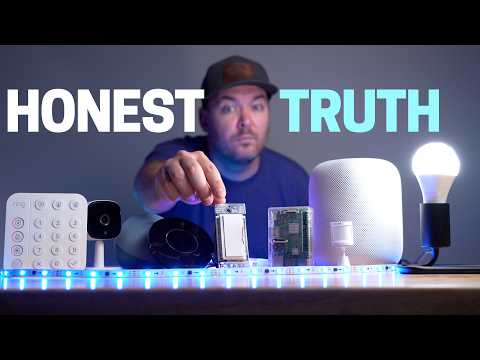
Even the best smart home devices will underperform without proper planning and setup. Drawing from years of professional smart home installation experience, here are essential tips that separate a frustrating connected home from a seamless one.
Choose One Primary Ecosystem and Stick With It
The single biggest mistake new smart home users make is mixing devices from multiple incompatible ecosystems without a unifying hub. If you choose Amazon Alexa as your primary voice assistant, prioritize smart home devices that integrate natively with Alexa routines and skills. The same applies to Google Home, Apple HomeKit, and Samsung SmartThings. A unified ecosystem ensures smoother automations, fewer connectivity issues, and a better overall user experience.
Invest in a Quality Wi-Fi Router
Your smart home devices depend entirely on your home network for reliable communication. A budget router with weak range and limited bandwidth will cause dropped connections, delayed responses, and frustrating automation failures. Consider upgrading to a mesh Wi-Fi system like the Google Nest Wifi or TP-Link Deco X60, which provides full-home coverage and handles dozens of connected devices without performance degradation.
Prioritize Local Processing When Possible
Cloud-dependent smart devices can become useless during internet outages. Devices that support local processing, such as those using the Zigbee or Z-Wave protocols with a local hub, continue to function even when your internet connection goes down. Hubitat and Home Assistant are excellent platforms for users who want maximum reliability and independence from cloud services.
Start Small and Expand Gradually

Resist the temptation to purchase an entire smart home setup all at once. Start with two or three devices that solve your most immediate needs, learn how they work together, and then expand your system over time. This gradual approach helps you avoid compatibility headaches and lets you refine your automations based on real daily usage patterns.
Frequently Asked Questions
What is the best smart home device for beginners?
The Amazon Echo Dot is widely regarded as the best smart home device for beginners because of its affordable price, straightforward setup, and compatibility with thousands of third-party smart home products. Pair it with a smart plug or a couple of smart bulbs, and you will have a functional smart home within minutes of unboxing.
Which smart home platform is the most reliable in 2024?
Reliability depends heavily on your specific needs and existing devices. Apple HomeKit offers the best privacy and security architecture. Google Home provides the most natural voice recognition and intelligent routines. Amazon Alexa has the largest device compatibility library. Samsung SmartThings is the most versatile for multi-protocol setups, and Home Assistant is the most powerful for advanced users who want complete local control.
Do I need a smart home hub, or can I use Wi-Fi devices directly?
You do not need a separate hub for Wi-Fi-based devices like Kasa smart plugs or Wyze cameras, which connect directly to your home network. However, if you plan to use Zigbee or Z-Wave devices like Philips Hue bulbs or Aeotec sensors, you will need a hub to bridge those devices to your Wi-Fi network. Some ecosystems, like Samsung SmartThings, include hub functionality built into their flagship devices.
What is the Matter protocol, and why does it matter for smart home devices?
Matter is a new unified connectivity standard backed by Apple, Google, Amazon, Samsung, and over 200 other companies. It allows smart home devices from different brands and ecosystems to work together seamlessly. If you are purchasing new smart home devices in 2024, choosing Matter-certified products ensures future compatibility and eliminates much of the fragmentation that has historically plagued the smart home industry.
Can I set up a smart home without a voice assistant?
Absolutely. Many smart home devices are controlled entirely through their respective mobile apps, and platforms like Home Assistant and SmartThings allow you to create automations triggered by sensors, schedules, or geolocation without ever using voice commands. Voice assistants simply add convenience, but they are not required for a fully functional smart home setup.
How can I reduce smart home device interference and improve connectivity?
Place your router centrally in your home and away from thick walls and large metal appliances. Use a mesh Wi-Fi system for larger homes to eliminate dead zones. For devices that experience latency, consider switching them to a Zigbee or Z-Wave network rather than relying solely on Wi-Fi, which reduces congestion on your primary network and improves response times significantly.
Conclusion
The best smart home devices are the ones that fit your lifestyle, integrate smoothly with your chosen ecosystem, and solve real problems in your daily routine. Whether you are starting with a single smart plug and a budget security camera or building a sophisticated connected home with a professional-grade hub, the key is deliberate selection and gradual expansion. Prioritize compatibility, invest in solid networking infrastructure, and focus on devices that deliver genuine utility rather than novelty. With the right combination of products and a thoughtful setup strategy, your home can become genuinely smarter, safer, and more efficient in ways you will feel every single day.