


Imagine walking into your home and having the lights adjust automatically to your preferred brightness, the thermostat already set to your ideal temperature, and your security cameras running their evening patrol — all before you even lift a finger. This is the power of a domotic system home setup, and it is no longer a futuristic luxury reserved for tech enthusiasts and luxury property developers. Today, homeowners across every budget bracket can transform their living spaces into intelligent, responsive environments that learn, adapt, and anticipate daily needs. This comprehensive guide explores everything you need to know about domotic home systems, from foundational concepts to advanced configurations that will help you make informed decisions for your property.
What Is a Domotic System Home, and Why Does It Matter?
The term domotic derives from the Latin word domus, meaning home, combined with robotics and automation. A domotic system home refers to an integrated network of smart devices, sensors, and software platforms designed to automate and control household functions — including lighting, climate, security, entertainment, and appliance management. Unlike simple smart plugs or standalone gadgets, a true domotic ecosystem connects multiple subsystems into a unified, centrally managed environment.
What makes modern domotics so compelling is interoperability. Today’s home automation systems communicate across protocols like Zigbee, Z-Wave, Wi-Fi, and Matter, allowing devices from different manufacturers to work seamlessly together. This connected home ecosystem reduces manual intervention, cuts energy waste, and elevates daily convenience in ways that traditional homes simply cannot match.
Core Components of a Home Automation Ecosystem
Understanding what makes up a domotic system is essential before investing in any setup. Here are the foundational building blocks that every intelligent home relies on:
Central Hub or Controller
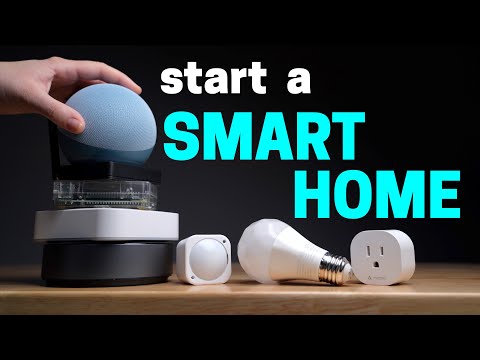
The brain of any smart home system, the hub coordinates communication between all connected devices. Popular options include Home Assistant, Samsung SmartThings, Apple HomeKit, and Amazon Echo hubs. Some systems use cloud-based control, while others operate entirely locally — a critical distinction for privacy-conscious homeowners.
Sensors and Input Devices
- Motion and occupancy sensors for automated lighting and security triggers
- Temperature and humidity sensors for climate optimization
- Door and window contact sensors for intrusion detection
- Voice assistants and wall-mounted touch panels for user input
- Water leak detectors and smoke alarms for safety monitoring
Actuators and Controlled Devices
- Smart lighting — dimmers, color-changing bulbs, and integrated switch modules
- HVAC control — smart thermostats and motorized dampers for zoned heating and cooling
- Smart locks and garage door controllers for access management
- motorized blinds and curtains for light filtering and privacy automation
- Smart appliances — ovens, refrigerators, washing machines with remote monitoring capabilities
Networking Infrastructure
A robust Wi-Fi mesh system or wired Ethernet backbone ensures stable connectivity. Many professional installers recommend wired connections for critical devices and wireless protocols for flexible peripherals to balance reliability with convenience.
Benefits of Installing a Domotic System in Your Home
The advantages of integrating a domotic system home extend far beyond novelty. Here is what homeowners consistently report after making the switch:
| Benefit | Impact |
| Energy Efficiency | Automated lighting and climate control can reduce energy bills by 20–30% annually |
| Enhanced Security | Real-time alerts, automated lock engagement, and camera integration provide 24/7 monitoring |
| Convenience and Comfort | One-touch scenes and routine automation eliminate repetitive daily tasks |
| Property Value | Homes with integrated automation systems command higher resale prices |
| Accessibility | Voice control and automation support elderly and mobility-impaired residents |
| Remote Management | Monitor and control your home from anywhere via smartphone or tablet |
Popular Domotic Protocols and Communication Standards
When choosing components for your intelligent home control setup, understanding communication protocols is critical. Each standard has strengths and limitations:
| Protocol | Range | Power Consumption | Best For |
| Zigbee | 10–20 meters | Very low | Lighting, sensors, mesh networks |
| Z-Wave | 30 meters (indoor) | Low | Locks, switches, security devices |
| Wi-Fi | Up to 50 meters | Moderate to high | Cameras, high-bandwidth devices |
| Bluetooth LE | 10–30 meters | Ultra-low | Wearables, proximity sensors |
| Matter (new) | Varies | Low | Cross-brand interoperability |
The emerging Matter protocol deserves special attention. Backed by Apple, Google, Amazon, and the Connectivity Standards Alliance, Matter aims to eliminate the fragmentation that has historically plagued the home automation industry. Devices certified under this standard will work across ecosystems without requiring separate hubs.
Step-by-Step Guide to Setting Up Your Domotic System
Whether you are a beginner or an advanced tinkerer, a structured approach prevents costly mistakes and ensures long-term reliability.
Step 1: Define Your Goals and Priorities
Start by identifying which home functions matter most to you. Do you want to focus primarily on energy savings, security, entertainment, or a combination? Writing down your priorities will guide every purchase decision going forward.
Step 2: Choose Your Ecosystem
Select a smart home platform that aligns with your device preferences and technical comfort level. Apple HomeKit excels in privacy and seamless Apple device integration. Google Home offers excellent voice control and broad compatibility. Home Assistant provides the deepest customization and local control but requires technical aptitude.
Step 3: Build Your Networking Foundation
Invest in a quality router or mesh system capable of handling dozens of simultaneous connections. For larger homes, consider wired Ethernet backhaul to maintain stable device communication throughout the property.
Step 4: Start Small and Expand Gradually

Begin with a few key devices — a smart thermostat, smart plugs, and one or two smart bulbs. Test how they interact through your chosen platform before committing to a full-scale installation. This phased approach helps you understand the system’s capabilities and identify any gaps early.
Step 5: Automate Routines and Scenes
Once your devices are connected, create automation rules. For example, set a “Goodnight” scene that locks doors, turns off lights, lowers the thermostat, and arms security cameras simultaneously. Advanced users can implement sensor-driven automations where conditions trigger actions without manual input.
Step 6: Secure and Maintain Your System
Change default passwords, enable two-factor authentication on all accounts, and keep firmware updated. Regularly audit connected devices and remove any that are no longer in use to minimize potential vulnerabilities.
Expert Tips for Maximizing Your Domotic Home Investment
- Prioritize local processing over cloud dependency — this reduces latency and keeps your system functional even during internet outages.
- Use a dedicated smart home network — separating IoT devices from your main network adds a critical security layer.
- Choose devices with Matter support — future-proof your investment against ecosystem lock-in.
- Document your setup thoroughly — save device IDs, automation rules, and network configurations for troubleshooting.
- Consider professional installation for wired subsystems — especially for lighting integration and security camera cabling.
FAQ: Long-Tail Questions About Domotic System Homes
What is the difference between a domotic system and a regular smart home setup?

A domotic system refers to a comprehensive, integrated automation approach that connects multiple home subsystems under a unified control architecture. A regular smart home setup typically involves standalone devices that may not communicate with each other effectively. The key distinction lies in depth of integration — domotics emphasizes interconnected automation across lighting, climate, security, and entertainment rather than isolated smart gadgets.
How much does it cost to install a domotic system in an average home?
Costs vary widely depending on scope and brand selection. A basic starter setup with a hub, smart thermostat, and a few smart plugs might run between $300 and $800. A mid-range installation with lighting automation, smart locks, and security sensors can range from $1,500 to $5,000. Whole-home professional installations with structured wiring and custom programming typically start at $10,000 and can exceed $30,000 for high-end properties.
Can I install a domotic system home setup myself, or do I need a professional?
Many consumer-friendly platforms like SmartThings, Home Assistant, and Apple HomeKit are designed for DIY installation. Basic device pairing, routine creation, and simple automations are well within reach for technically confident homeowners. However, if your project involves structured wiring, in-wall switches, or complex multi-room automation, professional installation ensures reliability and safety compliance.
What is the best domotic protocol for a beginner?
Wi-Fi-based devices are the most beginner-friendly because they require no additional hubs and connect directly to existing home networks. Zigbee and Z-Wave offer better reliability and lower power consumption but require a hub. For newcomers, starting with Wi-Fi devices and a single smart home hub provides the easiest entry point into the connected home ecosystem.
How does a domotic system improve energy efficiency in a home?
Smart home automation improves energy efficiency through precise, data-driven control. Smart thermostats learn occupancy patterns and adjust heating and cooling accordingly. Motion-activated lighting eliminates wasted electricity in unoccupied rooms. Automated blinds optimize natural light usage and reduce cooling loads during peak sun hours. Over time, these incremental optimizations compound into significant reductions in utility consumption and costs.
Conclusion
A domotic system home represents far more than a collection of smart gadgets — it is a thoughtfully designed living environment that responds intelligently to your habits, preferences, and lifestyle. Whether you start with a single smart thermostat and build outward over time, or invest in a fully integrated professional installation from day one, the benefits in comfort, security, energy savings, and property value are substantial and well-documented. The key is to start with clear goals, choose interoperable devices, and build your automation layer incrementally. As the Matter protocol continues to unify the industry and more devices gain cross-platform compatibility, there has never been a better time to bring your home into the intelligent automation era.