


If you are revisiting the 2013 smartphone landscape or researching devices from that pivotal year, a detailed 2013 smartphone comparison guide can reveal just how much the mobile industry evolved during twelve months that reshaped consumer expectations. The year 2013 delivered some of the most influential flagship phones ever released, and understanding how they stacked up against each other requires looking beyond basic spec sheets. This new atlas of comparisons walks you through performance benchmarks, camera quality, battery endurance, and value propositions so you can make a confident, informed decision — whether you are buying a used device, exploring retro tech, or building a reference archive for your tech collection.
Why the 2013 Smartphone Era Still Matters
The 2013 smartphone comparison landscape is uniquely significant because it marked the year when manufacturers began shifting from pure spec wars to holistic user experience design. Samsung Galaxy S4, Apple iPhone 5, HTC One, Nokia Lumia 920, Sony Xperia Z, and LG G2 all launched with distinct philosophies. Some prioritized camera innovation, others focused on software polish, and a few redefined hardware design. Understanding the strengths and weaknesses of each device through this modern comparison atlas helps contextualize why today’s phones are built the way they are.

Key Milestones from the 2013 Mobile Market
- Samsung Galaxy S4 introduced dual camera features and Air View gestures, pushing the boundaries of interactive display technology.
- Apple iPhone 5 refined the iOS experience with a taller 4-inch display and Lightning connector, setting a benchmark for ecosystem integration.
- HTC One elevated audio quality with BoomSound speakers and launched the UltraPixel camera concept, proving that megapixel counts were not everything.
- LG G2 placed rear-mounted buttons as a signature design choice and demonstrated that software optimization could maximize a 2.26 GHz Snapdragon 800 processor.
- Sony Xperia Z brought waterproofing and a stunning 5-inch full HD display to the mainstream market.
Head-to-Head Specifications: The Core Comparison
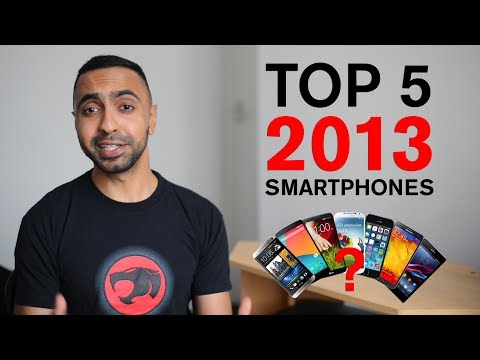
A meaningful 2013 smartphone comparison atlas must include raw specification data so you can see exactly where each device stood. The table below highlights the most critical hardware categories across five leading phones from that year.
| Device | Display | Processor | RAM | Camera (Rear) | Battery |
| Samsung Galaxy S4 | 5.0″ Full HD AMOLED | Snapdragon 600 / Exynos 5 | 2 GB | 13 MP | 2600 mAh |
| Apple iPhone 5 | 4.0″ IPS LCD | A6 Chip | 1 GB | 8 MP | 1440 mAh |
| HTC One | 4.7″ Full HD Super LCD 3 | Snapdragon 600 | 2 GB | 4 MP UltraPixel | 2300 mAh |
| Sony Xperia Z | 5.0″ Full HD TRILUMINOS | Snapdragon 600 | 2 GB | 13 MP | 2330 mAh |
| LG G2 | 5.2″ Full HD IPS | Snapdragon 800 | 2 GB | 13 MP | 3000 mAh |
When you read through this 2013 smartphone comparison guide, the first thing that stands out is how processor choices divided the market. Samsung and HTC relied on Qualcomm’s Snapdragon 600 in most regions, while Samsung also offered the Exynos 5 Octa in select markets. LG differentiated itself with the newest Snapdragon 800 chipset, giving the G2 a measurable performance edge in CPU-intensive tasks. Apple’s custom A6 chip, though not the most powerful on paper, delivered exceptional real-world performance thanks to tight integration between hardware and iOS.
Camera Quality and Imaging Innovation
Beyond Megapixel Counts
One of the most important lessons from the 2013 smartphone comparison movement is that camera quality cannot be measured by megapixels alone. HTC’s bold decision to ship the One with a 4-megapixel UltraPixel sensor surprised industry analysts, yet the camera consistently delivered excellent low-light performance and natural color reproduction. Samsung’s 13-megapixel sensor on the Galaxy S4 offered more resolution and features like Dual Shot, which allowed users to capture content from both the rear and front cameras simultaneously.
Sony’s Xperia Z impressed with its Exmor RS sensor and BIONZ image processing, while Apple’s 8-megapixel camera on the iPhone 5 remained a favorite for consistent point-and-shoot results and superior video stabilization. The LG G2 combined a solid 13-megapixel sensor with optical image stabilization, a feature typically reserved for dedicated cameras at that time.
Which Camera Won the Year?

For photography enthusiasts, the HTC One and LG G2 remain the standout choices from a 2013 smartphone comparison perspective. For casual users who wanted reliable, share-ready photos straight from the camera app, the iPhone 5 and Galaxy S4 offered the most polished and intuitive shooting experiences.
Battery Life and Daily Endurance
Battery performance was a critical differentiator in 2013, and this new atlas of smartphone comparisons dedicates significant attention to real-world endurance data. The LG G2 led the pack with its 3000 mAh battery, routinely delivering a full day and a half of heavy usage. The Samsung Galaxy S4’s 2600 mAh cell performed respectably but struggled during extended gaming sessions. Apple’s iPhone 5, despite its smallest battery capacity at 1440 mAh, achieved excellent longevity thanks to iOS efficiency optimizations.
Here is a practical breakdown of battery performance categories from 2013 devices:
- Best overall endurance: LG G2 — 3000 mAh with efficient Snapdragon 800 power management
- Most consistent all-day use: iPhone 5 — optimized software compensated for smaller battery
- Fastest charging: Samsung Galaxy S4 — supported rapid charge accessories widely available
- Weakest performer: HTC One — 2300 mAh battery felt limiting for power users
Software Experience and Ecosystem
The software layer separates a good phone from a great one, and the 2013 comparison landscape revealed how operating system philosophy influenced user satisfaction. Android 4.2 and 4.3 powered most flagship devices, with Samsung layering its TouchWiz Nature UX interface on top, HTC offering BlinkFeed, and LG introducing QuickMemo and Smart Notice features. Apple’s iOS 6 launched the year with Apple Maps controversy before transitioning to a polished iOS 7 redesign that became a cultural moment.
Windows Phone 8, powering the Nokia Lumia 920 and Lumia 820, offered a uniquely minimalist and tile-based interface that appealed to productivity-focused users. The Windows ecosystem’s tight integration with Microsoft’s Office suite and OneDrive cloud storage made it a compelling choice for business professionals during that era.
Practical Recommendations for Buyers Today
If you are considering purchasing a 2013-era smartphone today, whether as a secondary device, a budget option, or a nostalgia purchase, here are expert recommendations based on this detailed comparison:
- Best all-around pick: Samsung Galaxy S4 — wide app support, large community, expandable storage
- Best for media consumption: Sony Xperia Z — waterproof design and vibrant display make it ideal for video
- Best for photography: HTC One — the UltraPixel camera still holds up surprisingly well for social media and casual shooting
- Best for power users: LG G2 — the Snapdragon 800 processor and large battery provide the most headroom
- Best for simplicity and longevity: iPhone 5 — iOS updates continued longer than most Android devices from that year
Frequently Asked Questions
What is the best 2013 smartphone for gaming?
The LG G2 stands out as the best 2013 smartphone for gaming due to its Qualcomm Snapdragon 800 processor and 2 GB of RAM, which handled demanding titles like Asphalt 8 and GTA San Andreas with smooth frame rates. The Galaxy S4’s Exynos variant also performed well, but the G2’s combination of processing power and efficient thermal management gave it a consistent edge.
Is the HTC One still usable in 2024 for basic tasks?
Yes, the HTC One remains functional for basic tasks like web browsing, messaging, and calling. However, many modern apps no longer support its older Android version and limited RAM. It works best as a secondary device or for users who prioritize its excellent audio quality and compact design over app compatibility.
How does the Nokia Lumia 920 compare to the Samsung Galaxy S4 for everyday use?
The Nokia Lumia 920 excelled in camera performance, build quality, and battery life thanks to Nokia’s PureView technology and Windows Phone 8 optimization. However, the Samsung Galaxy S4 offered a larger app ecosystem, more customization options, and broader third-party support, making it more versatile for everyday multitasking.
Which 2013 phone has the best display quality?
The Sony Xperia Z delivered arguably the best display quality from the 2013 lineup, featuring a 5-inch full HD TRILUMINOS display with an Mobile Bravia Engine that produced vivid, accurate colors and excellent viewing angles. The Samsung Galaxy S4’s AMOLED panel also impressed with deep blacks and vibrant saturation, making both excellent choices for media consumption.
Can a 2013 smartphone handle modern mobile internet browsing?
Basic mobile browsing remains possible on a 2013 smartphone comparison winner like the Galaxy S4 or iPhone 5, but modern websites have become increasingly resource-heavy. Users may experience slower load times, compatibility issues with newer web standards, and limited support for modern security certificates. Lightweight browsers like Opera Mini can help bridge the gap for casual browsing needs.
Final Verdict: Building Your Own 2013 Smartphone Atlas
The 2013 smartphone comparison landscape represents a golden period when innovation was bold, designs were distinct, and every major manufacturer brought something genuinely new to the table. By following this new atlas of comparisons, you now have the tools to evaluate each device through multiple lenses — raw performance, camera capability, battery endurance, software experience, and everyday practicality. Whether you are curating a collection, hunting for an affordable used device, or simply curious about the history of mobile technology, understanding the 2013 flagships gives you valuable perspective on how today’s smartphones evolved from these foundational designs. Each of these devices earned its place in mobile history, and the best choice depends entirely on what you prioritize most in a smartphone experience.