


Winter sports enthusiasts know the thrill of carving through fresh powder, but the experience can feel incomplete without your favorite playlist fueling the momentum. Bluetooth ski helmet speakers have revolutionized the way skiers and snowboarders enjoy their time on the mountain, merging safety gear with high-performance audio technology. Whether you are a weekend cruiser or a seasoned backcountry explorer, integrating wireless speakers into your helmet can transform a routine day on the slopes into an immersive sensory experience. In this comprehensive guide, we will dig deep into everything you need to know about Bluetooth ski helmet speakers, from core technology and essential features to expert purchasing recommendations and frequently asked questions.
Why Bluetooth Ski Helmet Speakers Are a Game-Changer for Winter Sports
Traditional ways of listening to music while skiing — such as dangling earbuds under a helmet or wrapping wired headphones around your head — have always been clunky and unreliable. Snow, wind, and movement would constantly dislodge the buds or create frustrating tangles. Bluetooth ski helmet speakers solve these problems by embedding audio drivers directly into or onto your helmet, providing a secure, weather-resistant listening solution that stays exactly where it belongs.
Beyond convenience, these devices enhance slope safety by allowing you to stay aware of your surroundings. Many modern models offer ambient sound modes or open-ear designs that blend music with environmental noise, ensuring you can hear ski patrol warnings, fellow riders, or approaching snowmobiles. This combination of entertainment and situational awareness is what sets wireless helmet speakers apart from conventional audio accessories.
How Bluetooth Ski Helmet Speakers Work
The underlying technology is straightforward but cleverly engineered. Each speaker unit contains miniaturized audio drivers, a rechargeable lithium-ion battery, and a Bluetooth chip that pairs with your smartphone, smartwatch, or music player. The speakers are typically mounted in the ear cavities of the helmet or attached via adhesive pads and straps designed specifically for helmet surfaces.
When you press play on your device, the audio signal transmits wirelessly via Bluetooth 5.0 or newer protocols, which offer improved range, lower latency, and reduced power consumption compared to older versions. Some premium models also support multipoint connectivity, letting you switch seamlessly between your phone and your GPS device without constant re-pairing.

Key Components Inside Bluetooth Ski Helmet Speakers
- Audio Drivers: Small neodymium or dynamic speakers that produce sound while remaining compact enough to fit inside helmet ear pockets.
- Bluetooth Chipset: Handles wireless pairing, signal encoding, and connection stability in cold environments.
- Rechargeable Battery: Typically ranges from 2000mAh to 5000mAh, providing several hours of continuous playback.
- Weatherproof Coating: A protective layer that shields internal electronics from moisture, condensation, and snow ingress.

Top Features to Look For When Choosing Bluetooth Ski Helmet Speakers
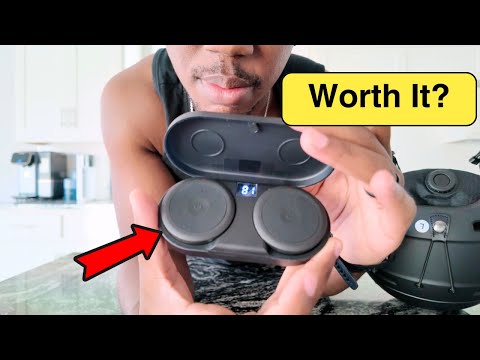
Not all wireless helmet speakers are created equal. Before making a purchase, you should evaluate several critical factors that directly impact performance and user satisfaction on the mountain.
Sound Quality and Audio Performance
Audio fidelity matters more than you might think when you are battling wind noise and the general hush of a snowy environment. Look for speakers that deliver balanced sound across bass, midrange, and treble frequencies. Models with noise-isolation technology or adjustable EQ presets give you the ability to fine-tune your listening experience based on weather conditions and personal preference. Driver size typically ranges from 10mm to 16mm, and larger drivers generally produce richer, fuller sound.
Weather Resistance and Durability
Skiing exposes gear to extreme cold, moisture, and impact. Your helmet speakers must withstand these elements without failing mid-run. The most reliable options carry an IP rating — IPX4 or higher is ideal — which guarantees resistance to splashes, sweat, and light snowfall. Additionally, operating temperature range is a specification you should always check; premium units are tested to function reliably down to -20°C or lower.
Battery Life and Connectivity Range
Nothing is more frustrating than losing audio halfway through a long run because your speaker died. Aim for a device that offers at least 8 hours of continuous playback on a single charge. Bluetooth range matters too; look for Class 1 Bluetooth that supports up to 100 meters of wireless distance, ensuring a stable connection even when your phone is stored in a jacket pocket across the slope.
Comparison: Popular Bluetooth Ski Helmet Speakers
With so many options flooding the market, narrowing down your choices can be overwhelming. The table below compares three leading Bluetooth ski helmet speaker models based on key specifications and user experience factors.
| Feature | Model A | Model B | Model C |
| Driver Size | 16mm | 12mm | 14mm |
| Bluetooth Version | 5.3 | 5.1 | 5.2 |
| Battery Life | 12 hours | 8 hours | 10 hours |
| Water Resistance | IPX5 | IPX4 | IPX5 |
| Operating Temp Range | -25°C to 60°C | -15°C to 50°C | -20°C to 55°C |
| Price Range | $49 – $59 | $35 – $45 | $40 – $50 |
| Ambient Mode | Yes | No | Yes |
| Multipoint Pairing | Yes | No | Yes |
As you can see, the best model depends on your priorities. If battery life and extreme cold performance are your top concerns, Model A stands out. For budget-conscious buyers, Model B delivers solid value, while Model C offers a well-rounded middle ground with ambient mode and multipoint connectivity.
Best Practices for Installing and Using Bluetooth Ski Helmet Speakers
Proper installation and usage habits will maximize both the lifespan of your speakers and your enjoyment on the slopes. Follow these expert recommendations to get the most out of your investment.
- Position the speakers correctly. Align each driver with your ear canal for optimal sound projection. Most helmet speaker kits include placement guides or adhesive markers to help you find the ideal spot on the ear pads.
- Clean the helmet surface before installation. Wipe the area with isopropyl alcohol to remove oils and dirt, ensuring the adhesive or strap mounts hold securely throughout the day.
- Pair devices before heading out. Complete the Bluetooth pairing process indoors where signals are stronger, so you do not struggle with connectivity once you are on the mountain.
- Use a neck gaiter with an integrated audio channel. Many skiers combine helmet speakers with a balaclava or neck gaiter designed to route audio toward the ears, further blocking wind noise and enhancing bass response.
- Charge after every use. Cold temperatures drain batteries faster. Make it a habit to recharge your speakers immediately after each skiing session to avoid being caught with a dead unit.
- Store speakers in a dry, warm place. Moisture from condensation can damage internal electronics over time. After use, let the speakers air dry and store them in a silica gel packet-equipped case.
Are Bluetooth Ski Helmet Speakers Worth the Investment?
The short answer is yes, especially if you ski or snowboard frequently. The convenience of hands-free, wire-free audio that is built into your safety gear outweighs the modest cost of most consumer models. Beyond music, many riders use their helmet speakers for GPS voice navigation, slope announcements, or even hands-free calls with friends meeting up at the lodge. The versatility these devices offer makes them one of the most practical upgrades you can make to your winter sports equipment collection.
For competitive skiers and snowboarders who rely on split-second timing, the motivational boost of a carefully curated playlist should not be underestimated. Music has a measurable impact on focus, endurance, and mood — all of which directly translate to better performance on the mountain.
Frequently Asked Questions
Can Bluetooth ski helmet speakers be used with any helmet?
Yes, most Bluetooth ski helmet speakers are designed to be universal and compatible with standard ski, snowboard, and bike helmets. They typically attach using adhesive pads, Velcro straps, or clip-on mounts that work across different helmet shells and padding configurations. However, always check the product dimensions and mounting system to ensure a secure fit with your specific helmet model.
Do Bluetooth ski helmet speakers interfere with helmet safety certifications?
No. High-quality wireless helmet speakers are engineered to be lightweight and non-invasive. They do not compromise the structural integrity of the helmet or its safety certification (such as CE or ASTM standards). The speakers add negligible weight — usually under 50 grams — and are mounted externally without drilling or modifying the shell.
How cold can Bluetooth ski helmet speakers withstand before performance drops?
Premium Bluetooth ski helmet speakers are tested to operate reliably at temperatures as low as -20°C to -25°C (-4°F to -13°F). Cheaper models may start experiencing battery drain or connectivity issues below -10°C. If you frequently ski in extreme cold environments, choose a unit with a wide operating temperature range and a well-insulated battery compartment.
Can I take Bluetooth ski helmet speakers swimming or use them in wet conditions?
While most Bluetooth ski helmet speakers are designed for snow and cold-weather use, many carry IPX4 or IPX5 ratings that offer solid protection against moisture, sweat, and light water exposure. However, they are not designed for full submersion or prolonged contact with water. If you plan to use them for activities beyond skiing — such as hiking in rainy conditions or summer water sports — confirm the specific water resistance rating of your chosen model first.
What is the best way to improve Bluetooth connection stability on the slopes?
Bluetooth signal interference from dense trees, mountain terrain, and other wireless devices can occasionally cause dropouts. To improve stability, keep your phone in a chest pocket or an insulated pouch close to your body, reduce the distance between your phone and the speakers, and ensure both devices are fully updated with the latest firmware and Bluetooth protocols. Choosing speakers with Bluetooth 5.0 or newer will also provide a significantly more stable connection.
Conclusion
Bluetooth ski helmet speakers represent one of the most meaningful innovations in winter sports accessories in recent years. They eliminate the frustrations of loose earbuds, tangled wires, and weather-related audio failures, replacing them with a seamless, secure, and immersive listening experience. By understanding the technology, knowing which features matter most, and following proper installation and care practices, you can select a pair of wireless speakers that will enhance every run all season long. Whether you prioritize sound quality, battery endurance, or all-weather durability, the right set of Bluetooth ski helmet speakers will keep you connected to your music and your mountain in perfect harmony.