


If you have ever walked into a vintage audio shop or scrolled through a second hand stereo equipment listing and felt that rush of excitement, you already understand the magnetic pull of used hi-fi gear. The second hand stereo equipment market has exploded in recent years, driven by audiophiles, collectors, and budget-conscious music lovers who refuse to compromise on sound quality. Unlike mass-produced modern alternatives, pre-owned stereo components carry decades of engineering, warm analog character, and often a price tag that makes high-fidelity listening accessible to everyone. Whether you are a beginner building your first system or a seasoned collector hunting for rare amplifiers, understanding the landscape of second hand audio gear is essential. This guide dives deep into everything you need to know about buying, evaluating, and enjoying used stereo equipment.
What Is Second Hand Stereo Equipment and Why It Is Worth Considering

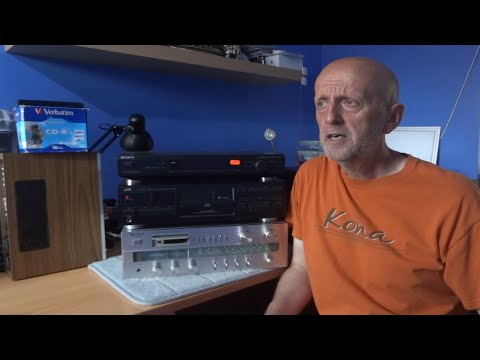
Second hand stereo equipment refers to any pre-owned audio component — receivers, amplifiers, speakers, turntables, preamplifiers, CD players, or tuners — that has been previously owned and resold. The term “used stereo gear” encompasses everything from well-maintained entry-level units to rare, collectible vintage amplifiers that have been lovingly preserved. The appeal lies not just in affordability but in the unique sonic signature that many older components deliver. Vintage stereo equipment from brands like Marantz, NAD, Pioneer, Sansui, and Yamaha often features oversized transformers, high-quality capacitors, and robust construction that modern budget gear simply cannot replicate.
For many listeners, the warm, rich sound of analog playback through a classic receiver or dedicated stereo amplifier is the defining reason to explore the used market. Additionally, the second hand audio market offers access to discontinued models that are no longer in production, giving buyers the opportunity to own pieces of audio history at a fraction of their original retail cost.
The Appeal of Vintage and Pre-Owned Audio
There is something irreplaceable about the character of vintage stereo equipment. Many older components were built with heavier gauge wiring, superior circuit board layouts, and premium internal components designed to last generations. When you invest in used high-fidelity gear, you are not just saving money — you are acquiring equipment that was engineered with a level of craftsmanship that modern manufacturers rarely prioritize at entry price points. The growing community of second hand stereo enthusiasts online and in local forums continues to fuel demand for quality pre-owned audio.
Key Types of Second Hand Stereo Equipment You Should Know About
Before diving into the market, it helps to understand the major categories of pre-owned stereo components and what each brings to your listening setup.
Receivers and Amplifiers
The stereo receiver or amplifier is the heart of any audio system. When shopping for second hand stereo receivers, look for models with substantial power output, clean signal-to-noise ratios, and reputable brand lineages. Vintage receivers from Pioneer, Kenwood, and Marantz are particularly sought after for their reliability and musicality. Integrated stereo amplifiers from brands like NAD and Rotel offer exceptional value in the used market and are ideal for building a focused two-channel listening setup.
Speakers and Cabinets
Used speakers are often the most overlooked segment of the second hand audio market, yet they can deliver extraordinary performance at steep discounts. Floor-standing speakers, bookshelf monitors, and studio monitors from manufacturers like Klipsch, JBL, Bose, DCM, and Triangle are frequently available in excellent condition. When evaluating second hand speakers, inspect the cones for tears, check the foam surround integrity, and listen for any distortion at higher volumes. Well-cared-for speakers from the 1980s and 1990s can still outperform many modern budget alternatives.
Turntables and Source Components
The resurgence of vinyl has made second hand turntables one of the most dynamic segments of the pre-owned audio market. Models from Technics, Rega, Music Hall, and Dual remain highly desirable. Alongside turntables, used CD players, FM tuners, and streaming DACs round out the source component category. Pre-owned source gear allows you to experiment with different playback formats without the steep investment of buying new.
How to Evaluate Second Hand Stereo Equipment Before Buying
Buying used audio equipment requires a more discerning eye than purchasing brand new gear. Even minor issues can degrade your listening experience significantly, so knowing what to look for is critical.
What to Inspect Physically
- Exterior Condition: Check for cracks in the casing, rust on connectors, and any visible damage to knobs, dials, or display screens.
- Remote Control Function: If the unit was designed with a remote, test it thoroughly. Replacement remotes can be expensive or unavailable.
- Ventilation and Fan Noise: Inspect ventilation grilles for dust buildup and listen for excessive fan noise during operation, which can indicate aging capacitors or failing bearings.
- Power Cord and Plug: Ensure the power cord is intact and the plug shows no signs of melting or corrosion.
Testing and Performance Checks
Whenever possible, test the equipment before committing to a purchase. Listen for hum, crackle, or distortion on multiple volume levels. Test every input and output channel. For amplifiers, verify that both left and right channels output equally. If buying remotely, request a detailed video demonstration and ask the seller about the equipment’s service history and any known issues.
Best Places to Buy Second Hand Stereo Gear
Not all used audio marketplaces are created equal. Here are the most reliable channels for finding quality second hand stereo equipment:
- Local Audio Shops: Many dedicated hi-fi stores carry curated second hand inventory and often offer warranties or return policies.
- Online Marketplaces: Platforms like eBay, Facebook Marketplace, and dedicated audio forums such as Audiogon provide extensive listings with user reviews and ratings.
- Estate Sales and Garage Sales: These can yield hidden gems, especially when the previous owner was an avid audiophile.
- Specialized Auction Houses: Some auction platforms focus exclusively on vintage audio and electronics, ensuring authenticity and grading standards.
New vs Second Hand Stereo Equipment: A Cost Comparison
Understanding the financial side of the equation helps you make informed decisions. The table below compares key factors between new and used stereo equipment across common categories.
| Category | New Equipment Price Range | Second Hand Price Range | Typical Savings |
| Stereo Receiver | $400 – $2,000 | $150 – $800 | 40% – 60% |
| Power Amplifier | $500 – $3,000 | $200 – $1,200 | 45% – 65% |
| Bookshelf Speakers (pair) | $200 – $1,500 | $75 – $600 | 50% – 70% |
| Turntable | $150 – $1,500 | $50 – $700 | 40% – 70% |
| Preamplifier | $300 – $2,500 | $100 – $1,000 | 50% – 65% |
The savings can be substantial, especially when purchasing higher-end components that depreciate most rapidly in their first few years of ownership. Many well-maintained used amplifiers and speakers still deliver decades of reliable performance.
Expert Tips for Getting the Best Deals on Used Audio Equipment
- Research market values: Use completed auction listings and verified resale platforms to understand fair pricing for specific models before negotiating.
- Prioritize service history: Equipment that has been regularly serviced or refurbished often delivers better long-term value than unmaintained units.
- Buy from enthusiast communities: Members of dedicated audio forums frequently sell well-cared-for gear at reasonable prices because they understand the value of what they own.
- Negotiate respectfully: Many second hand sellers are passionate enthusiasts willing to discuss pricing, especially for larger lots or multiple components.
- Inspect in person when possible: Electronics can have hidden faults that are not visible in photographs. In-person inspection reduces the risk of disappointment.
Common Mistakes to Avoid When Buying Pre-Owned Stereo Gear
Even experienced buyers occasionally fall into traps when navigating the second hand stereo equipment market. Avoid these common pitfalls: purchasing untested equipment at a distance without verifying functionality, overlooking the cost of replacement parts such as electrolytic capacitors and power supply fuses, ignoring the condition of speaker crossovers, and failing to confirm compatibility between components like impedance matching between amplifiers and speakers. Taking a methodical, informed approach will protect your investment and ensure a satisfying listening experience.
Frequently Asked Questions
What should I look for when buying second hand stereo speakers?
Inspect the cone material for tears or deformation, check the foam or rubber surround for deterioration, and ensure the crossover network has not suffered water damage. Listen for rattling or buzzing sounds at various volume levels, and verify that both speakers produce sound evenly across the frequency range.
Is it safe to buy vintage stereo amplifiers online?
Yes, provided you buy from reputable sellers with detailed listings, high-resolution photos, and clear return policies. Request a video demonstration of the amplifier in operation, and confirm that the seller can provide any service records or receipts that exist. Buying from established audio marketplaces with buyer protection adds an extra layer of security.
How do I know if a used turntable needs servicing?
Look for excessive vertical or horizontal vibration during playback, uneven tracking, and visible wear on the stylus or platter surface. A turntable that skates, produces consistent humming, or has a speed that drifts significantly likely needs professional servicing, belt replacement, or cartridge alignment before optimal performance can be restored.
What brands dominate the second hand stereo equipment market?
Brands like Marantz, Pioneer, Kenwood, Sansui, NAD, Rotel, Technics, Rega, and KLH dominate the pre-owned market due to their reputation for build quality, sonic excellence, and longevity. These manufacturers have established loyal followings, making their products widely available and well-documented in terms of common issues and maintenance needs.
Can I upgrade my existing stereo system with second hand components?
Absolutely. Many audiophiles build exceptional systems by mixing new and used components. Second hand speakers or a vintage stereo receiver can serve as a meaningful upgrade to a basic modern setup, delivering improved soundstage depth, dynamic range, and tonal warmth that transform your listening experience without requiring a full system replacement.
Final Thoughts on Second Hand Stereo Equipment
The world of second hand stereo equipment offers an extraordinary opportunity for anyone who values authentic, high-quality sound reproduction. Whether you are a curious newcomer exploring the world of hi-fi for the first time or a dedicated collector searching for that elusive vintage amplifier, the pre-owned market rewards patience, research, and a discerning ear. By understanding what to look for, where to find it, and how to evaluate potential purchases, you can build a stereo system that delivers exceptional performance at a price that respects your budget. The beauty of used audio gear is that it does not just save you money — it connects you to a rich legacy of audio engineering and craftsmanship that continues to sound magnificent decades after its original manufacture. Start your journey today, trust your ears, and let the hunt for the perfect piece of second hand stereo equipment become one of the most rewarding pursuits in your audio life.