


When the year 2017 arrived, the wearable technology market was exploding with innovation, making the decision to buy a new wrist companion more complicated than ever before. If you are searching for the ultimate 2017 smartwatch comparison guide, you are stepping into a fascinating era where smartwatches transitioned from mere smartphone notification mirrors to standalone fitness trackers and even cellular-connected devices. This year introduced some of the most significant leaps in wearable tech history, including built-in GPS, onboard heart rate monitors, and voice-controlled assistants living directly on the wrist. Whether you are an Android user looking for seamless integration or an iPhone enthusiast craving deep ecosystem synergy, navigating the sea of options requires a clear, expert breakdown. Let us dive deep into the devices that defined 2017, comparing their strengths, weaknesses, and unique selling points to help you find the perfect fit for your lifestyle.
The Smartwatch Landscape of 2017
The best smartwatches of 2017 were defined by a fierce battle between operating systems and design philosophies. Before evaluating individual models, it is crucial to understand the underlying technology that powers these devices. The three dominant smartwatch operating systems were Apple’s watchOS, Google’s Wear OS (formerly Android Wear), and Samsung’s proprietary Tizen platform. These ecosystems dictated app availability, notification handling, and overall user experience. Design-wise, the industry was split between the rectangular square face popularized by Apple and the traditional circular form factor preferred by classic watch enthusiasts and Android fans.
Operating Systems and Ecosystems
Understanding the software is the absolute first step in any 2017 smartwatch comparison guide. watchOS offered the most polished, intuitive interface exclusively for iPhone users, boasting a robust app store and tight integration with Apple Health. Conversely, Wear OS provided flexibility for both Android and iOS, though the iOS experience was often hampered by limited functionality and missing features. Tizen, powering the best Samsung devices, offered excellent battery life and a surprisingly growing app ecosystem, though it lacked the massive app library of its two major competitors. As the year progressed, Google Assistant began rolling out to Wear OS, bringing smarter contextual suggestions to Android users.
Top Contenders: The Flagship Devices
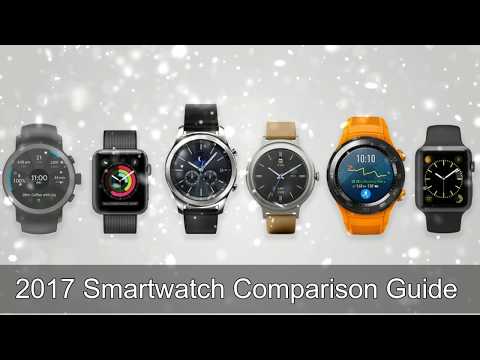
When evaluating top rated smartwatches 2017, a few devices consistently rose to the top, each bringing something unique to the table and catering to different user priorities across the consumer electronics landscape. Here is a quick look at the frontrunners:
- Apple Watch Series 3 – The ultimate choice for iPhone users seeking cellular independence and premium integration.
- Samsung Gear S3 Frontier – Best battery life and rugged outdoor durability with a classic watch aesthetic.
- Moto 360 (2nd Gen) – The most stylish and accessible entry point for Android Wear enthusiasts.
Apple Watch Series 3 (GPS + Cellular)
The Apple Watch Series 3 was arguably the headline of the 2017 wearable market. Featuring a built-in LTE chip for standalone cellular connectivity, this device truly became a phone on your wrist. The S3 dual-core processor delivered blazing fast performance, while the always-on OLED screen ensured readability in direct sunlight. For iPhone users seeking a premium fitness tracking smartwatch 2017 experience, the Series 3 was the undisputed king. Its W2 wireless chip improved Wi-Fi connectivity, and the integration with Siri made voice commands incredibly seamless. The introduction of watchOS 4 brought personalized watch faces and smarter activity tracking. The only downside was the premium price tag and the requirement of a cellular plan from your carrier.
Samsung Gear S3 Frontier (Tizen)
Samsung made a massive impact with the Gear S3 Frontier, offering a stunning circular AMOLED display and a robust physical rotating bezel for navigation. Running on Tizen, this smartwatch excelled in battery life, easily lasting three to four days on a single charge—far outpacing its Wear OS and watchOS rivals who struggled to survive a single day. The Gear S3 was a powerhouse for outdoor enthusiasts, featuring built-in GPS, water resistance to 50 meters, and excellent fitness tracking. Its offline Spotify storage capability made it a favorite for runners who wanted to leave their phones behind during workouts without missing their curated playlists.
Wear OS Pioneers: Moto 360 (2nd Gen) and Huawei Watch 2
For those exploring the Android smartwatch ecosystem, the Moto 360 2nd Gen and Huawei Watch 2 represented the cutting edge of Wear OS and modified Android experiences. The Moto 360 (2nd Gen) brought a sleek, round design and improved battery life compared to its predecessor, offering a familiar Android Wear experience with customizable watch faces and responsive touch navigation. The Huawei Watch 2, however, took a different approach by running a modified version of Android, offering built-in GPS and 4GB of onboard storage for offline music downloads. Both devices proved that alternative smartwatch operating systems could deliver solid daily driver experiences without relying entirely on Apple’s walled garden.
Head-to-Head Comparison Table
To simplify your decision-making process, here is a direct look at how the flagship devices stacked up against each other in the most critical categories.
| Feature | Apple Watch Series 3 | Samsung Gear S3 | Moto 360 (2nd Gen) |
| Operating System | watchOS | Tizen | Wear OS |
| Battery Life | 18 Hours | 3-4 Days | 1.5 Days |
| Cellular Option | Yes (GPS + Cellular) | No | No |
| Best For | iPhone Users | Battery Life & Outdoors | Android Flexibility |
| Display Type | OLED Retina | Circular AMOLED | Round AMOLED |
| Water Resistance | 50 Meters (WR50) | 50 Meters (WR50) | IP67 (Splash Proof) |
Key Features to Evaluate Before Buying
Not all smartwatches are created equal, and understanding the nuances of their hardware and software capabilities is essential for making an informed purchase decision.
Battery Life and Charging Speeds
Battery anxiety plagued early smartwatches, but 2017 saw significant improvements across the board. The Apple Watch Series 3 struggled to exceed 18 hours, requiring daily charging rituals, whereas the Samsung Gear S3 could easily go a full workweek without needing a power source. If you hate plugging in your device every single night, prioritizing battery longevity is critical. Fast charging also became a standard feature, with most devices reaching 50% battery in under an hour, minimizing downtime during busy mornings. Always check the charging mechanism too; some models used proprietary cables, while others adopted universal USB connectors for greater convenience.
Health and Fitness Tracking Capabilities

Fitness tracking was no longer an afterthought; it was a core selling point for the best smartwatches of 2017. All three flagship devices featured continuous optical heart rate monitors, accelerometers, and gyroscopes. The Apple Watch Series 3 introduced ECG-like capabilities through third-party apps, while the Samsung Gear S3 and Huawei Watch 2 provided robust workout tracking with automatic exercise recognition. If you are a serious athlete, look for built-in GPS to leave your phone behind during runs or rides without losing pace tracking accuracy. Additionally, newer sensors like altimeters and barometers allowed for more accurate climbing metrics, turning these wrist devices into genuine health hubs for comprehensive fitness monitoring.
Expert Recommendations for Every User Level
Finding the right device depends heavily on your technical proficiency and lifestyle demands. Here is how we break down the choices based on user experience:
- Beginners: If you are new to wearable tech, the Moto 360 (2nd Gen) offers a gentle introduction. Its intuitive Wear OS interface is easy to navigate, and the circular design feels familiar and stylish without overwhelming new users with complex settings or advanced configurations.
- Intermediate Users: The Samsung Gear S3 Frontier is the sweet spot for power users who want advanced fitness features, excellent battery life, and a premium build quality without the exorbitant cost of cellular plans or ongoing subscription fees.
- Advanced Users: The Apple Watch Series 3 (GPS + Cellular) is the ultimate choice for tech enthusiasts who want a fully independent smartwatch experience. Its cellular connectivity, lightning-fast performance, and deep iOS integration make it the most capable daily driver available on the market today.
Frequently Asked Questions
Still weighing your options? Here are answers to common queries about the best smartwatches of 2017.
Which smartwatch has the best battery life in 2017?
When comparing the 2017 smartwatch comparison guide, the Samsung Gear S3 Frontier stands out with a battery life of three to four days, significantly outperforming the Apple Watch Series 3 and Moto 360, which both require daily charging.
Can I use a smartwatch without a phone nearby in 2017?
Yes, but it depends heavily on the specific model you choose. The Apple Watch Series 3 with GPS + Cellular allows you to make calls, stream music, and send messages completely independently. Other models like the Moto 360 still require a Bluetooth connection to a smartphone for full functionality and messaging.
Is Wear OS compatible with iPhones in 2017?
While Wear OS devices like the Moto 360 can connect to iPhones, the experience is severely limited and frustrating. You will miss out on replying to iMessages, using Apple Pay, and several native iOS integrations, making it a suboptimal choice for iPhone owners.
What is the difference between GPS and GPS + Cellular smartwatches?
A GPS smartwatch tracks your location for runs and hikes but relies on your phone for data connectivity and calls. A GPS + Cellular model has its own LTE chip, allowing it to connect to mobile networks independently, meaning you can leave your phone at home and still make calls or stream music.
Are fitness smartwatches accurate for heart rate monitoring?
Most 2017 models use optical sensors that are highly accurate for resting heart rate and steady-state cardio. However, high-intensity interval training can sometimes cause inaccuracies due to blood flow changes. For the most reliable data, ensure the watch band sits snugly against the skin above the wrist bone.
Final Thoughts on the 2017 Smartwatch Market
The 2017 smartwatch comparison guide reveals a year of maturation for wearable technology. The devices released this year set the standard for modern smartwatches, balancing style, functionality, and battery efficiency in ways that previous generations could only dream of. Whether you prioritize the seamless integration of the Apple Watch Series 3, the enduring battery life of the Samsung Gear S3, or the flexibility of Wear OS devices, there is a perfect wrist companion waiting for you. Take your time, evaluate your daily needs, and choose the smartwatch that will truly enhance your connected life and overall productivity.