


If you have ever wondered why a well-chosen piece of audio equipment can transform a flat, lifeless sound into something rich, immersive, and deeply satisfying, you are not alone. The world of sound reproduction has evolved dramatically over the past few decades, and today’s consumers have access to an incredible range of options, from budget-friendly starter kits to audiophile-grade components that cost thousands of dollars. Whether you are a casual music listener, a podcast creator, a home theater enthusiast, or a professional musician, understanding audio equipment is the first step toward building a setup that truly delivers the sound you deserve.
Understanding Audio Equipment: A Complete Guide for Every Listener
At its core, audio equipment refers to any device or accessory designed to capture, process, amplify, or reproduce sound. This broad category encompasses everything from microphones and headphones to speakers, amplifiers, mixers, and digital-to-analog converters. The term “audio gear” has become increasingly popular among enthusiasts who approach sound as both a hobby and a science. Understanding how these components work together is essential, because a great recording or digital music file can still sound disappointing if the playback equipment is not matched correctly.
Modern audio equipment leverages advanced technologies like Bluetooth codecs, high-resolution audio formats, and active noise cancellation. Meanwhile, traditional analog gear continues to hold a special place among purists who value warmth, dynamic range, and tactile control. The key is knowing which category of gear aligns with your listening habits, budget, and goals.
Types of Audio Equipment for Every Level
Beginner Audio Gear
Starting your journey into quality sound does not require a massive investment. Beginner-friendly audio equipment focuses on simplicity, affordability, and solid performance.
- Entry-level headphones — Brands like Audio-Technica, Sony, and Sennheiser offer excellent over-ear and on-ear models for under $100.
- Compact Bluetooth speakers — Portable options from JBL, Bose, and Anker deliver surprisingly good sound for casual listening outdoors or in small rooms.
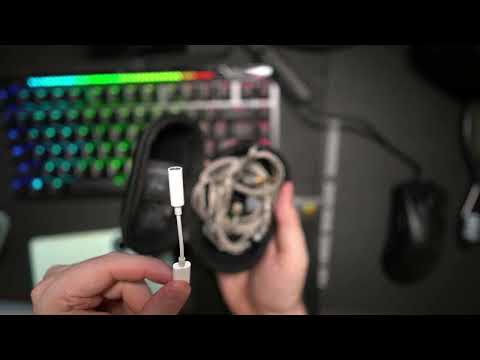
- USB sound cards — Affordable adapters that plug directly into a laptop can significantly improve audio clarity compared to built-in computer speakers.
- Basic wired earbuds — Quality in-ear monitors from brands like Moondrop or CCA can be found for $20–$40 and outperform most phone bundles.
For beginners, the focus should be on learning what genres and sound signatures you prefer. Do you like deep bass, crisp mids, or detailed highs? This self-awareness guides every future purchase.
Intermediate Audio Setup
Once you have explored entry-level gear, the intermediate stage introduces components that offer deeper customization and noticeably better fidelity.
- Studio monitors — Speakers designed for accurate, flat sound reproduction. Brands like KRK, Yamaha, and Adam Audio are popular choices in this tier.
- Dedicated audio interfaces — Devices like the Focusrite Scarlett series allow musicians and podcasters to connect microphones and instruments directly to a computer with low latency.
- Entry-level amplifiers — A small stereo amp or headphone amp from companies like Schitt Audio or Topping can dramatically improve the power and clarity of your speakers or headphones.
- Quality speaker cables and stands — Often overlooked, proper cabling and speaker placement accessories reduce interference and improve sound staging.
Intermediate enthusiasts start paying attention to details like impedance matching, frequency response curves, and room acoustics. This is where the hobby becomes genuinely rewarding.
Advanced Professional Equipment
At the highest tier, audio equipment enters the realm of audiophile and professional-grade hardware. These components are engineered for the most demanding applications.
- Reference-grade headphones — Models from Focal, Sennheiser HD 800S, and Audeze LCD series offer extraordinary detail and comfort for marathon listening sessions.
- Tube amplifiers — Valve-based amps are prized for their rich harmonic distortion and warm character, favored by vinyl enthusiasts and guitarists alike.
- High-end DACs — Digital-to-analog converters from companies like Chord, ESS, and RME handle high-resolution audio files with stunning precision.
- Professional mixing consoles — Brands like Yamaha CL Series, Allen & Heath, and Soundcraft cater to live sound engineers and studio professionals.
- Acoustic treatment panels — Room treatment products from Auralex and Primacoustic ensure that the listening environment does not degrade the signal.
At this level, every component matters — from the quality of the DAC chip inside your player to the material of your speaker cones. The goal is transparency: hearing the music exactly as the artist and engineer intended.
Key Components of a Home Audio System

Building a home audio system requires understanding how individual pieces work together. Here are the essential components that most setups share:
| Component | Role in the System | Examples |
| Source Device | Streams or stores the audio content | Smartphone, CD player, turntable, PC, NAS server |
| DAC | Converts digital signals to analog for amplification | Topping DX3 Pro, Chord DAVE, RME ADI-2 |
| Amplifier | Boosts the audio signal to drive speakers or headphones | Yamaha A-S301, Schitt Magni, NAD C 399 |
| Speakers | Convert electrical signals into audible sound waves | KEF Q Series, ELAC Debut, Sonus Faber |
| Cables & Connectors | Transmit the audio signal with minimal loss | AudioQuest, Mogami, AmazonBasics |
| Room Treatment | Controls reflections, bass buildup, and ambient noise | Auralex pads, DIY rockwool panels |
Each component interacts with the others, so pairing a high-end DAC with low-quality amplifier cables will bottleneck your entire system. The concept of the “weakest link” is real and important in audio.
How to Choose the Right Audio Equipment
Choosing the right sound equipment depends on several practical factors that go beyond brand loyalty or glossy marketing.
1. Define Your Use Case — Are you listening to music in a quiet bedroom, mixing tracks in a studio, or hosting movie nights in a living room? The intended use determines whether you need portable Bluetooth speakers, a full surround sound setup, or a precision studio monitoring environment.
2. Set a Realistic Budget — Audio gear spans from $20 earbuds to $10,000+ amplifier systems. Allocate your budget wisely: invest more in the components that have the biggest impact on your listening experience, which is typically the speakers or headphones and the amplifier driving them.
3. Consider Room Size and Acoustics — A large pair of floor-standing speakers in a small room can sound muddy and overwhelming. Conversely, tiny bookshelf speakers in a large open space may lack presence. Match the speaker size and power output to your room dimensions.

4. Check Impedance and Sensitivity Ratings — These technical specifications tell you how much power your headphones or speakers require. Mismatching these values with your amplifier can result in distortion, poor volume levels, or even damaged equipment.
5. Read Reviews and Listen In Person — Online reviews provide valuable insights, but your ears are the ultimate judge. Visit local hi-fi stores, attend audio shows, or use return policies to audition gear before committing.
Comparison Table: Wired vs. Wireless Audio Equipment
| Feature | Wired Equipment | Wireless Equipment |
| Audio Quality | Generally superior — no compression or latency | Good with aptX HD or LDAC codecs, but slightly compressed |
| Convenience | Requires cable management and proximity | Portable and cable-free operation |
| Latency | Near-zero delay | Small but noticeable delay in budget models |
| Price Range | Wide range from budget to premium | Tends to be premium-priced at the high end |
| Maintenance | Cable replacement may be needed over time | Battery charging required regularly |
| Best For | Studio work, critical listening, home theaters | Commuting, casual listening, portable use |
Expert Tips for Building Your Audio Setup
Even experienced audiophiles continue to refine their systems over time. Here are some tips that make a measurable difference:
- Break in your headphones. Playing audio through new headphones for 40–100 hours can soften the driver suspension and reveal a smoother, more natural sound signature.
- Use a dedicated power strip with surge protection. Electrical noise from other appliances can introduce a subtle hiss or hum into your audio chain.
- Position speakers at ear height and away from walls. This simple adjustment reduces bass buildup and improves stereo imaging dramatically.
- Upgrade one component at a time. Buying an entire system at once is expensive and makes it difficult to identify which piece made the biggest improvement.
- Explore lossless audio formats. Formats like FLAC, ALAC, or WAV preserve more detail than MP3s, and your gear can only reveal what the source file contains.
Frequently Asked Questions
What is the best audio equipment for beginners on a tight budget?
For beginners working with limited funds, a pair of Audio-Technica ATH-M20x headphones paired with a basic USB DAC is an excellent starting point. Total cost stays under $80, yet the sound quality noticeably surpasses most built-in laptop speakers and cheap earbuds. This combination lets new listeners experience improved clarity, wider soundstage, and better detail retrieval without a steep learning curve or significant financial investment.
How do I know if my audio equipment needs an upgrade?
Common signs include hearing distortion at higher volumes, noticing fatigue after extended listening sessions, or feeling that the bass lacks tightness and definition. If your current setup struggles with dynamic range, or if you find yourself compensating by cranking the volume just to feel the impact, it is likely time to upgrade your amplifier or speakers.
Is a DAC really necessary for a home audio system?
A DAC is essential whenever you are playing digital audio files through external speakers or high-impedance headphones. Your phone or computer’s built-in converter is often underpowered and introduces electronic noise. An external DAC cleaner, more precise signal and delivers noticeably improved detail, separation, and dynamics — especially when paired with quality headphones or studio monitors.
What speaker cable gauge is best for home audio setups?
For most home audio applications, 16-gauge speaker cable is sufficient for runs under 50 feet. If your speakers are positioned farther from your amplifier, upgrading to 14-gauge or even 12-gauge cable minimizes resistance and signal loss. Thicker cable does not magically improve sound quality on short runs, but it ensures that the amplifier’s full power reaches the speakers without unnecessary attenuation.
Can room acoustics really make a noticeable difference in sound quality?
Absolutely. Room acoustics are one of the most overlooked factors in audio reproduction. Hard, reflective surfaces like bare walls and glass windows create echo and flutter that muddies the sound. Adding soft furnishings, acoustic panels, or even heavy curtains absorbs excess reflections, resulting in cleaner dialogue, tighter bass, and a more immersive listening experience that brings you closer to the performance.
Conclusion
The world of audio equipment offers something meaningful for every listener, from the curious newcomer experimenting with their first pair of decent headphones to the seasoned engineer fine-tuning a world-class studio. The beauty of this hobby is that improvements are incremental and deeply personal. You do not need to spend a fortune to hear a meaningful difference — sometimes a single upgrade, like a dedicated DAC or a pair of properly positioned monitors, reshapes your entire listening experience. Start with what matters most to you, invest thoughtfully, and let your ears guide you toward the sound that moves you most.