


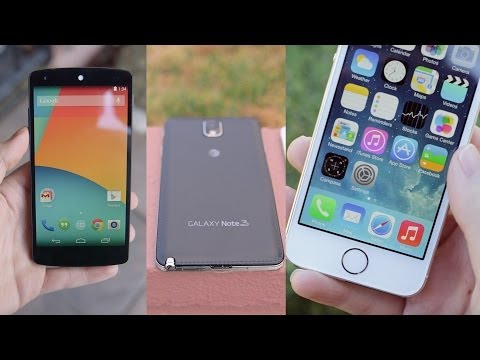
The year 2013 marked a pivotal turning point in the global smartphone industry, and Nomura’s widely referenced smartphone guide and market research reports captured the dynamics of that era with remarkable precision. Whether you are a tech historian, an investor revisiting the period, or a curious reader exploring how Nomura Insights shaped perceptions about mobile markets during 2013, this guide delivers comprehensive analysis, actionable data, and expert-level context that brings the entire intelligence landscape into focus.
What Was the Nomura Smartphone Guide of 2013?
Understanding Nomura’s Industry Research Role
Nomura Securities, one of the world’s leading investment banking and financial research firms, published detailed smartphone market guides and forecasts throughout 2013. These reports combined carrier-level data, supply chain intelligence, and proprietary analytics to give stakeholders — from institutional investors to handset manufacturers — a clearer view of market share shifts, emerging trends, and demand projections. The nomura smartphone guide 2013 was particularly significant because it coincided with the transition between two major mobile ecosystems and the rise of affordable touchscreen devices across emerging markets like Asia-Pacific and Latin America.
Key Themes Covered in the 2013 Report
The guidance documents from Nomura during this period focused on several critical dimensions that professionals and enthusiasts still reference today:
- Global smartphone shipment forecasts and unit growth projections for both mature and developing regions.
- Operating system market share trends, including Android dominance, iOS momentum, and Windows Phone penetration attempts.
- Vendor competitive positioning for Samsung, Apple, Xiaomi, Huawei, HTC, and Lenovo.
- China smartphone market recovery analysis after the intense post-holiday demand correction of late 2012.
- Component cost and margin analysis covering displays, processors, batteries, and camera modules.
Mobile Market Landscape Highlights According to Nomura’s Analysis
The Rise of Affordable Android Devices
During 2013, Nomura’s researchers highlighted a dramatic shift in consumer purchasing behavior. High-end flagship smartphones were no longer the sole growth engines. Instead, sub-$200 touchscreen smartphones flooded markets across Southeast Asia, Africa, South Asia, and Eastern Europe, driving massive volume increases. These budget devices, often powered by MediaTek chipsets and running Android 4.x Jelly Bean out of the box, became the dominant unit sellers and reshaped vendor strategies across the board.
For investors, this trend signaled that smartphone market share was increasingly measured in volume rather than premium ASPs (average selling prices). Companies that could execute on low-cost manufacturing with quality finishes and reliable software experiences gained outsized advantages.
Samsung and Apple Competitive Dynamics
Nomura’s 2013 outlook consistently emphasized the fierce rivalry between Samsung and Apple. Samsung dominated in unit shipments globally, leveraging its vertically integrated supply chain and aggressive carrier partnerships. Apple, while commanding a smaller share of total devices sold, generated outsized revenue and profit margins from its premium iPhone lineup, including the iPhone 5S and iPhone 5C introduced that year.
The economic research firm also flagged risks for Samsung related to the instant-on tablet and phablet category, noting that larger-screen devices were blurring the traditional distinction between smartphones and tablets and creating new competitive pressure segments.

| Metric | Samsung | Apple | Nokia (Windows Phone) |
| 2013 Global Smartphone Share (Est.) | ~30–32% | ~13–15% | ~5–7% (rising WP share) |
| Primary OS Ecosystem | Android | iOS | Windows Phone 8 |
| Key Growth Strategy | Volume, price diversification | Premium ASP, brand loyalty | Mateschaft partnerships with carriers |
| Launch Focus (2013) | Galaxy S4, Galaxy Note 3 | iPhone 5S, iPhone 5C | Lumia 1020, Lumia 1520 |
The Emergence of Chinese Smartphone Brands
One of the most forward-looking insights from Nomura’s coverage involved the rapid ascent of Chinese OEMs including Huawei, Lenovo, Xiaomi, and ZTE. By mid-2013, these brands were already capturing significant share within China and aggressively expanding beyond domestic borders. Nomura researchers pointed to the aggressive pricing strategies, fast iteration cycles, and direct-to-consumer online sales models — pioneered increasingly by Xiaomi — as disruptive forces that challenged legacy brand hierarchies.
Practical Recommendations Based on the 2013 Smartphone Outlook
For Investors
Nomura’s guidance suggested several strategic considerations for anyone evaluating mobile-sector exposure during 2013:
- Diversify beyond Apple and Samsung by including exposure to component suppliers (display makers, fabless chip designers) to capture margin expansion in both premium and mid-range segments.
- Monitor China component demand closely, as the recovery trajectory of the China smartphone market served as a leading indicator for the broader global industry.
- Assess R&D spending ratios against actual product differentiation, since high capital expenditure on unproven OS ecosystems — like Windows Phone — introduced execution risk.
For Consumers Shopping in 2013
For end users navigating the crowded 2013 device landscape, expert recommendations from that era (and those echoed in vendor-neutral research summaries) included:
- Prioritize screen size and resolution based on personal usage patterns — messaging and media consumption favored larger IPS displays.
- Evaluate battery life and ecosystem integration rather than raw spec sheets alone, as day-to-day usability increasingly depended on software optimization.
- Consider carrier lock-in costs carefully, especially during promotional pricing cycles that subsidized expensive hardware with lengthy service contracts.
Advanced Insights and Lasting Implications for Today
How 2013 Strategies Still Matter
Many of the competitive dynamics analyzed in the nomura smartphone guide 2013 remain remarkably relevant to understanding today’s mobile industry. The Android fragmentation challenge, the tension between high-margin premium devices and high-volume affordable handsets, and the central role of operating system choice in consumer loyalty were all clearly mapped in Nomura’s research from that year. Modern analysts and historians frequently cite these 2013 studies as foundational context for discussions around global smartphone growth deceleration.
Lessons for Ongoing Market Analysis
Professionals who studied the 2013 smartphone environment learned several lessons that continue to inform modern market research methodology:
- Supply chain transparency matters more than headline shipment numbers when assessing vendor health.
- Emerging market segment tracking requires localized data distinct from mature-market indicators.
- OS-level revenue attribution provides a clearer picture than unit-share analysis alone, especially when comparing platforms with vastly different average selling prices.
Retail investors and institutional portfolio managers alike often revisit these themes by cross-referencing the original nomura research archives alongside current quarterly earnings reports from major vendors, creating a longitudinal view that reveals which forecasts aged well and which expectations shifted due to macroeconomic shocks, regulatory changes, or breakthrough product categories.

Expert Summary and Key Takeaways
In summary, the 2013 smartphone industry — as meticulously documented and analyzed by Nomura’s research division — represented an inflection moment. Sub-$150 smartphones matured from niche curiosity to mainstream category, the profit pool consolidated around two dominant players (Samsung and Apple) while challengers wasted millions on backward-compatible Windows Phone initiatives, and Chinese manufacturers began their inexorable push into every global market segment. For anyone studying mobile technology equity investments, competitive strategy, or the evolution of consumer electronics, the publications and projections from that twelve-month window remain essential reading.
FAQs: Long-Tail Keyword Questions Answered
What did the Nomura smartphone guide 2013 predict about global shipment volumes?
Nomura’s 2013 smartphone outlook forecast year-over-year global smartphone shipment growth between 15% and 20%, with the underservice found primarily in affordable-touchscreen categories driving volume expansion rather than premium flagship sales alone.
How accurate was Nomura’s China smartphone market recovery analysis for 2013?
The nomura 2013 mobile market insight correctly projected a strong China demand rebound during the second half of the year after consumer confidence stabilized following the earlier-than-expected debut of the new generation of touch devices from domestic vendors.
Which operating system did Nomura identify as the biggest threat to iOS dominance?
Nomura’s competitive smartphone market intelligence identified Android’s deep supplier partnerships and price flexibility as the primary competitive pressure against Apple’s iOS ecosystem, noting that affordable Android devices would dominate emerging market share gains for the foreseeable future.
Was the nomura smartphone guide 2013 useful for retail investors?
Yes, the 2013 Nomura research provided actionable market segment data that retail investors and independent analysts used to supplement mainstream sellside coverage, particularly around supply chain investment theses and vendor margin trajectory estimates.
What are the most important supplier trends noted in the nomura 2013 mobile analysis?
Key supplier trends included the cost decline of high-resolution IPS panels, the transition from Qualcomm’s flagship parts toward mid-range Snapdragon variants for the affordable segment, and the rapid rise of MediaTek SoCs as the preferred chipset for sub-$200 smartphone designs across South and Southeast Asian markets.
How should modern readers use the 2013 Nomura smartphone insights today?
Current analysts and investors reference the 2013 nomura data set as a baseline year for horizontal comparison, enabling clearer recognition of which market dynamics proved durable — such as Android volume dominance and China regional significance — versus which were temporary, such as early Windows Phone vendor experiments and carrier-centric subsidy models that later disrupted by outright-device purchase trends.