


Shopping for the best smartphone in 2012 was both exciting and overwhelming. The mobile industry saw an explosion of flagship devices, operating system updates, and new form factors that reshaped what consumers expected from a pocket-sized computer. Whether you were a first-time smartphone buyer or a seasoned tech enthusiast looking for the next upgrade, this comprehensive 2012 smartphone guide breaks down everything you needed to know — from operating systems and key features to the top-rated handsets of the year and practical buying advice that still holds relevance for anyone researching this era of mobile technology.
Why 2012 Was a Landmark Year for Smartphones
The year 2012 stands out as a turning point in smartphone history. Major manufacturers pushed hardware boundaries with larger screens, faster processors, and improved cameras. The competition between Android, iOS, and Windows Phone intensified, giving consumers more choice than ever before. Qualcomm’s Snapdragon S4 processor became the go-to chipset, LTE connectivity went mainstream, and NFC-based mobile payments began gaining traction. Understanding the smartphone landscape of 2012 means recognizing how these innovations collectively transformed the industry.
Operating Systems Compared: Choosing the Right Platform
Android 4.1 Jelly Bean
Google’s Android ecosystem dominated global market share in 2012, and with the release of Jelly Bean, the operating system delivered a noticeably smoother user experience. Project Butter brought buttery animations and improved touch responsiveness, while Google Now introduced proactive, context-aware suggestions based on your search habits and location data. Android’s open ecosystem meant thousands of apps, customizable home screens, and support from nearly every major manufacturer including Samsung, HTC, LG, and Sony.
iOS 6 and the iPhone 5 Era
Apple’s iOS 6 brought over 200 new features, most notably replacing Google Maps with Apple’s own mapping solution, adding Facebook integration at the system level, and introducing Passbook for digital tickets and loyalty cards. The iPhone 5, released in September 2012, featured a larger 4-inch Retina display, Apple’s new Lightning connector, and LTE support. iOS remained the preferred choice for users who valued simplicity, long-term software support, and a tightly integrated ecosystem of iDevices and services.

Windows Phone 8
Microsoft made a bold move in 2012 by launching Windows Phone 8, which shared its kernel with Windows 8 for desktop PCs. Nokia’s Lumia lineup — particularly the Lumia 920 and Lumia 820 — became the flagship Windows Phone devices. The live tile interface, deep Cortana integration promises (which fully materialized later), and solid camera performance made Windows Phone 8 a compelling third option.
Top Smartphones of 2012: Detailed Breakdown
Samsung Galaxy S III
The Samsung Galaxy S III dominated headlines throughout 2012 and remains one of the most iconic Android phones ever made. Its 4.8-inch Super AMOLED HD display, Exynos 4 Quad or Snapdragon S4 processor (depending on region), and a polished plastic body with slim bezels set a new standard for flagship design. The 8-megapixel camera with HDR and best photo features impressed reviewers, while Samsung’s S Beam file-sharing and Smart Stay eye-tracking technology added unique practical value.
Apple iPhone 5
Apple’s iPhone 5 arrived with a taller 4-inch screen, aluminum unibody construction, and a lighter form factor than its predecessors. The A6 chip delivered outstanding performance, and LTE connectivity arrived on every model. iOS 6’s Siri improvements and Passbook app gave iPhone 5 owners a refined daily-use experience. However, the proprietary Lightning connector frustrated users who needed to replace accessories, and Apple Maps initially drew heavy criticism for inaccurate data.
Nokia Lumia 920
Nokia’s Lumia 920 was a powerhouse for Windows Phone 8 enthusiasts. Its PureView camera technology, featuring optical image stabilization, produced remarkably steady and detailed photos and videos. The 4.5-inch IPS display offered bright, vivid colors, and Nokia’s generous promotional bundles — often including free music and map subscriptions — added significant value. Wireless charging support out of the box was a forward-thinking feature that set the Lumia 920 apart from competitors.
HTC One X and HTC Droid DNA
HTC made a strong impression in 2012 with two standout devices. The HTC One X featured a stunning unibody aluminum design and a 4.7-inch 720p Super LCD2 display powered by the Tegra 3 quad-core chip. HTC’s BoomSound front-facing stereo speakers delivered the best audio quality on any smartphone that year. Meanwhile, the HTC Droid DNA (released through Verizon in the US) offered a 5-inch 1080p Full HD display, making it one of the first phones to pack that resolution into a mobile form factor.
Samsung Galaxy Note
The Samsung Galaxy Note pioneered the phablet category in 2012 with its massive 5.3-inch HD Super AMOLED display and the included S Pen stylus. The stylus enabled precise handwriting recognition, note-taking, and creative annotation across the screen. While some critics questioned the size, the Galaxy Note found a loyal audience among professionals, students, and creative users who valued its productivity features.
Key Features to Evaluate When Choosing a 2012 Smartphone
Display Quality and Size
Screen resolution, panel technology, and size directly impacted daily usage enjoyment. Super AMOLED displays (Samsung’s specialty) delivered deep blacks and vibrant colors, while IPS LCD panels (found in iPhone 5 and Lumia 920) offered wider viewing angles. Full HD 1080p panels appeared on premium devices like the Droid DNA, while many mid-range phones stuck with 720p resolution — perfectly adequate for a 4.5-to-4.8-inch display.
Processor Performance and RAM
In 2012, quad-core processors became the norm for flagship devices. The Qualcomm Snapdragon S4 Pro (Krait architecture), NVIDIA Tegra 3, Samsung Exynos 4 Quad, and Apple’s custom A6 chip all delivered excellent performance. RAM configurations typically ranged from 1GB for most flagships to 2GB in select models, which was sufficient for multitasking and demanding apps.
Camera Capabilities
Smartphone photography improved dramatically in 2012. Key camera features to look for included optical image stabilization (Lumia 920), HDR shooting, autofocus speed, and video recording quality. The Nokia Lumia 920 and Samsung Galaxy S III stood out for camera performance, while Apple’s iPhone 5 offered consistently excellent results with simpler point-and-shoot ease.
Connectivity and Network Support
LTE support became a major differentiator in 2012. If you had access to a 4G LTE network, choosing a phone with LTE compatibility ensured dramatically faster download and upload speeds. NFC was emerging as a convenient contactless payment and pairing technology, appearing on the Nexus 4, Galaxy S III, and Lumia 920 among others.
2012 Smartphone Comparison Table
| Phone | Display | Processor | OS | Camera | Price at Launch |
| Samsung Galaxy S III | 4.8″ 720p HD | Exynos 4 Quad / S4 Pro | Android 4.0 (upgradable to 4.1) | 8MP rear, 1.9MP front | $199-$299 |
| Apple iPhone 5 | 4.0″ 1136×640 | Apple A6 | iOS 6 | 8MP rear, 1.2MP front | $199-$299 |
| Nokia Lumia 920 | 4.5″ 768p IPS | Snapdragon S4 Pro | Windows Phone 8 | 8.7MP PureView rear, 1.3MP front | $99-$199 |
| HTC One X | 4.7″ 720p HD | Tegra 3 / S4 Pro | Android 4.0 | 8MP rear, 1.3MP front | $199-$299 |
| Samsung Galaxy Note | 5.3″ 720p HD | Exynos 4 Quad / S3 | Android 4.0 | 8MP rear, 2MP front | $299-$399 |
| HTC Droid DNA | 5.0″ 1080p Full HD | Snapdragon S4 Pro | Android 4.1 | 8MP rear, 2.1MP front | $199 (contract) |
Expert Tips for Buying a Smartphone in 2012
- Check carrier compatibility before purchasing. Not all phones supported every LTE band or network technology. Verify that your carrier’s 4G LTE bands matched the device’s specifications.
- Consider your storage needs carefully. Many 2012 phones lacked microSD card slots, particularly the iPhone 5 and HTC One X. Internal storage options of 16GB, 32GB, and 64GB meant choosing the right model upfront was critical.
- Battery life varied significantly. Devices with larger screens like the Galaxy Note and Lumia 920 consumed more power. Look for phones with batteries of 2,000mAh or higher for all-day usage.
- Explore refurbished and certified pre-owned options. Flagship phones from 2012 were expensive at launch. Buying certified refurbished units from reputable retailers could save significant money without sacrificing performance.
- Read long-term software update commitments. Samsung and Apple typically offered longer update support windows than HTC and smaller manufacturers. Consider how long you planned to keep the device.
Common Mistakes to Avoid
- Overemphasizing camera megapixel count while ignoring sensor size and lens quality.
- Ignoring the build quality and ergonomics — a phone that feels good in hand matters daily.
- Choosing a device based solely on one review; reading multiple expert and user reviews gives a more balanced perspective.
- Underestimating the importance of after-sales support and warranty coverage from the manufacturer or retailer.
- Paying full retail price when carrier deals, trade-in programs, or promotional financing could significantly reduce the out-of-pocket cost.
Best Smartphones for Different User Types
Best for Power Users
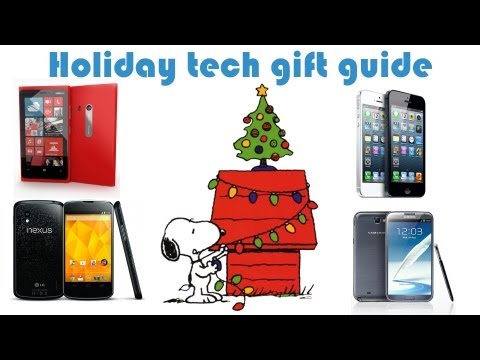
The Samsung Galaxy S III and Samsung Galaxy Note were ideal choices for power users who demanded top-tier performance, large screens, and extensive customization options. The Galaxy Note’s stylus-based workflow also appealed to productivity-focused users.
Best for Photography Enthusiasts
The Nokia Lumia 920 delivered the most impressive camera experience in 2012, particularly in low-light conditions thanks to optical image stabilization. The Samsung Galaxy S III was a strong runner-up with its feature-rich 8-megapixel camera.
Best for Ecosystem Loyalty
The Apple iPhone 5 remained the top choice for users already invested in Apple’s ecosystem of services, accessories, and devices. The seamless integration of iCloud, iMessage, FaceTime, and iTunes made switching costs prohibitively high.
Best Budget-Friendly Option
The Nokia Lumia 820 and Samsung Galaxy S III (on contract) offered excellent value for money in 2012, delivering flagship-level performance at more accessible price points.
Conclusion
The 2012 smartphone market was defined by fierce competition and rapid innovation. Whether your priority was display quality, camera performance, operating system choice, or overall value, the top devices of that year offered something exceptional for every type of user. By evaluating your needs against the key specs and features outlined in this guide, you could make a confident, informed decision. The phones released in 2012 laid the foundation for the mobile technology we enjoy today, and their legacy continues to influence how smartphones are designed and evaluated.
Frequently Asked Questions
What was the best smartphone to buy in 2012?
The Samsung Galaxy S III is widely regarded as the best overall smartphone of 2012, offering an excellent balance of performance, display quality, camera capability, and software features across a broad price range.
Which 2012 smartphone had the best camera?
The Nokia Lumia 920 delivered the best camera experience in 2012, thanks to its PureView technology and optical image stabilization that produced outstanding low-light photos and stabilized video.
Was LTE available on all smartphones in 2012?
No, LTE was not available on all smartphones in 2012. Many mid-range and budget devices lacked LTE support. Flagship devices like the iPhone 5, Galaxy S III, and Lumia 920 offered LTE connectivity, but it was not yet universal across all price tiers.
How much did smartphones cost in 2012?
Flagship smartphones in 2012 typically retailed between $199 and $299 with a two-year carrier contract. Unlocked devices and higher storage configurations could cost significantly more, sometimes exceeding $600 for premium models.
Did any 2012 smartphones support wireless charging?
Yes, the Nokia Lumia 920 and Nokia Lumia 820 were among the first smartphones to support wireless charging out of the box, using Qi-compatible charging pads. Other devices required aftermarket accessories or cases to add wireless charging capability.