


Second hand hifi equipment has become one of the most rewarding avenues for audio enthusiasts, budget-conscious listeners, and seasoned collectors alike. Whether you are stepping into the world of high-fidelity audio for the first time or you are a seasoned audiophile looking to expand your setup without breaking the bank, the pre-owned audio market offers an incredible value proposition. The global second hand audio equipment market has grown significantly in recent years, fueled by platforms like eBay, Audiogon, Reverb, and dedicated audio classifieds. In this comprehensive guide, we dive deep into everything you need to know about purchasing used hi-fi gear, from identifying the best equipment categories and spotting hidden gems to avoiding costly mistakes. If you have ever wondered how to buy second hand hi-fi equipment the right way, this article is your definitive resource.
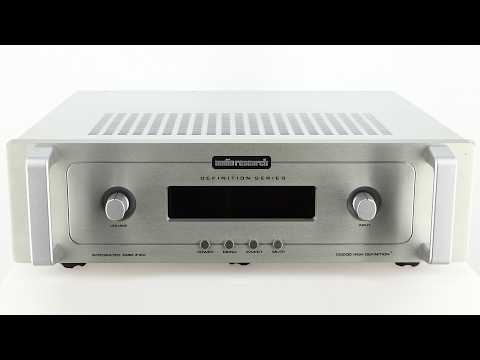
Why Buy Second Hand Hi-Fi Equipment?
The decision to invest in pre-owned high-fidelity audio gear is driven by several compelling reasons that go far beyond simply saving money. Understanding these advantages will help you approach the second hand market with confidence and purpose.
The Cost Advantage of Pre-Owned Audio Gear
One of the most significant benefits of buying used hifi equipment is the dramatic reduction in price. New hi-fi components from reputable brands like Marantz, Cambridge Audio, Denon, Naim, or Rotel can carry premium price tags that put high-quality audio out of reach for many enthusiasts. However, the same models — often just a few years old — can be found on the second hand market for 30% to 60% less than their original retail price. This means you can access a substantially higher tier of audio performance for the same budget. For example, a pair of second hand floorstanding speakers that originally retailed for $2,000 might be available for $800 to $1,200 in the used market, giving you access to premium-grade sound without the premium-grade price.
Access to Discontinued and Vintage Components
The hi-fi industry is full of legendary gear that is no longer in production. Vintage amplifiers from the 1970s and 1980s, classic tube amplifiers, and boutique speakers from defunct or niche manufacturers can only be found on the second hand market. Brands like Marantz, Pioneer, Sansui, and Accuphase produced some of the most celebrated audio equipment in history, and many of their models have become highly sought after by collectors and audiophiles. Purchasing pre-owned hifi equipment gives you access to a treasure trove of audio engineering from eras when manufacturers prioritized build quality and sonic excellence over planned obsolescence.
Better Build Quality and Sustainability
Many audiophiles argue that older hi-fi equipment was simply built better. Heavier transformer-based power supplies, premium capacitors, robust construction, and conservative engineering choices from decades past often translate into exceptional longevity and sonic character. By choosing second hand audio equipment, you are also participating in a sustainable consumer practice — reducing electronic waste and keeping perfectly functional, high-quality gear out of landfills.
What to Look For When Buying Used Hi-Fi Equipment
The pre-owned hifi market offers incredible opportunities, but it also requires diligence. Knowing what to look for — and what to avoid — is essential to making a smart purchase.
Key Specifications to Check Before Purchasing
Before committing to any second hand hi-fi purchase, take time to verify the following specifications and condition indicators:
- Power output (watts RMS): Confirm the amplifier or receiver delivers the wattage needed for your room size and speaker sensitivity.
- Frequency response: Look for a flat, extended frequency response that matches your listening preferences.
- Total Harmonic Distortion (THD): Lower numbers indicate cleaner audio reproduction, typically below 0.1% for quality gear.
- Signal-to-noise ratio: Higher ratios mean less background noise and a quieter, more detailed soundstage.
- Physical condition: Inspect cosmetic wear, check for cracked solder joints, and ensure all knobs, switches, and inputs function properly.
- Usage hours: For amplifiers and receivers, ask the seller about estimated usage hours, as heavy use can wear out components like electrolytic capacitors.
- Original packaging and accessories: While not essential, original manuals, remote controls, and power cables add value.
Common Red Flags to Avoid
Not every listing in the used hi-fi market is trustworthy. Watch out for these warning signs when browsing second hand hifi equipment:

- Vague or missing serial numbers — this can indicate stolen goods or units with hidden damage.
- Photos that only show the front panel — the back and inside of the unit reveal critical condition details.
- Sellers who refuse to provide a return policy — reputable dealers almost always offer some form of satisfaction guarantee.
- Price significantly below market value — if a deal looks too good to be true, it probably is, and the unit may have internal faults.
- No mention of brand reputation or model history — serious sellers typically know the gear they are offering and can speak to its performance.
Best Second Hand Hi-Fi Equipment Categories to Consider
Different categories of hi-fi equipment age at different rates, and some hold their value or even appreciate over time. Understanding which categories are most rewarding in the second hand market will sharpen your buying strategy.
Amplifiers, Receivers, and DACs
Amplifiers are arguably the centerpiece of any second hand hi-fi setup. Vintage stereo power amplifiers, especially from Japanese and European manufacturers, are renowned for their reliability and musicality. Integrated amplifiers from brands like Marantz, Cambridge Audio, and Rotel are particularly popular on the used market because they combine preamplification and power amplification in a single unit, offering excellent value. Dedicated digital-to-analog converters (DACs) from brands like Chord, Schiit, and ESS also hold up remarkably well over time, making them a smart pre-owned investment for modern digital listening setups.
Speakers and Turntables
Speakers are perhaps the most durable hi-fi component — a well-built pair of floorstanding speakers can perform beautifully for decades. Brands like Klipsch, KEF, PMC, B&W, and Dynaudio produce speakers that age gracefully and are consistently available on the second hand market at significant discounts. Turntables represent another category where the used market shines. Platforms like the Technics SL-1200 series, Rega Planar models, and Pro-Ject Debut turntables are staples of the audiophile world, and purchasing them used allows you to access higher-tier models within a moderate budget.
Comparison: New vs. Second Hand Hi-Fi Gear
To help you make an informed decision, here is a detailed comparison between purchasing new versus second hand hi-fi equipment:
| Factor | New Equipment | Second Hand Equipment |
| Price | Full retail, often premium pricing | 30–60% below original retail price |
| Selection | Limited to current models only | Access to vintage, discontinued, and classic models |
| Warranty | Full manufacturer warranty included | Varies; many used dealers offer limited warranties |
| Build Quality | Modern materials, sometimes lighter construction | Often heavier, more robust construction from earlier eras |
| Depreciation | Loses value immediately after purchase | Already depreciated; often retains resale value well |
| Availability | Subject to supply chain and stock issues | Widely available across online and local markets |
| Risk Factor | Minimal — known condition and history | Moderate — depends on seller transparency and return policy |
As you can see from the comparison, the advantages of buying second hand hifi equipment are substantial, particularly for buyers who prioritize value, variety, and access to premium-tier gear that would otherwise be unaffordable at retail prices.
Expert Tips for Finding the Best Deals on Pre-Owned Audio
Navigating the second hand audio equipment market successfully requires strategy, patience, and a trained eye. Here are actionable tips from experienced audiophiles and used gear dealers that will elevate your buying experience:
- Join dedicated audio forums and communities — platforms like Audiogon, Harmony-Central, and dedicated Facebook groups connect buyers with knowledgeable sellers who often part with well-maintained gear at fair prices.
- Attend local audio swap meets and garage sales — these events can yield incredible finds, from vintage tube amplifiers to high-end speakers, often at prices far below online listings.
- Research fair market value before buying — use completed listings on eBay, completed transactions on Audiogon, and recent sale data to establish what a piece of equipment is genuinely worth.
- Always test before buying when possible — if you are purchasing locally, audition the equipment in the seller’s home or at a meet. Pay attention to noise levels, channel balance, and tonal accuracy.
- Factor in accessory and setup costs — the price of interconnect cables, power conditioning, and speaker stands can add up. Budget for these essentials when planning your second hand hi-fi purchase.
- Build relationships with reputable used dealers — established dealers who specialize in pre-owned hi-fi gear often refurbish, test, and warranty their equipment, providing peace of mind that private sellers may not.
Frequently Asked Questions
Is it safe to buy second hand hifi equipment online?
Yes, buying pre-owned hi-fi gear online is generally safe when you purchase from reputable platforms and verified sellers. Platforms like Audiogon, Reverb, and eBay offer buyer protection programs, and checking seller ratings, return policies, and detailed product photos significantly reduces risk. Always ask for video demonstrations of the equipment powering on, switching inputs, and playing audio to verify functionality before completing a transaction.
What is the best second hand hi-fi brand for beginners?
For beginners entering the used audio market, brands like Marantz, Denon, Cambridge Audio, Rega, and KEF offer excellent performance-to-price ratios. These brands have extensive product histories, widely available replacement parts, and large owner communities that provide support and troubleshooting resources. A used Marantz integrated amplifier or a second hand Rega turntable is an outstanding starting point for building a quality hifi system on a budget.
How do I know if vintage hifi tubes or capacitors need replacing?
Common signs that vintage hi-fi equipment needs service include excessive humming, distorted sound at higher volumes, intermittent channel dropouts, or visible damage like bulging or leaking capacitors. If you are considering older tube amplifiers or vintage receivers, budget for a full recap and tube replacement, which typically costs between $150 and $500 depending on the model. This investment can transform a neglected vintage piece into a reliable, sonically excellent component.
Can second hand speakers lose their sound quality over time?

Speakers are among the most durable hi-fi components, but they are not immune to aging. Foam surrounds on older speakers can degrade over time, leading to buzzing or rattling sounds. Paper cone drivers may develop dust tears, and internal crossover components can drift in value. However, re-foaming and minor repairs are relatively inexpensive, and many second hand speakers with proper maintenance deliver exceptional performance for decades after their original purchase date.
What is the return policy typically like for used hifi equipment?
Return policies for second hand audio gear vary widely depending on the seller. Dedicated used hi-fi dealers like What Hi-Fi Used, Audio Advice, and local independent shops typically offer 7 to 30-day return windows with restocking fees ranging from 10% to 15%. Private sellers on platforms like Audiogon and eBay may have stricter no-return policies, so always clarify the return terms and condition guarantees before purchasing any used hi-fi component.
Conclusion
The second hand hifi equipment market is a goldmine for anyone passionate about high-fidelity audio. Whether you are a complete beginner assembling your first audiophile setup, an intermediate listener looking to upgrade specific components, or a seasoned collector hunting for rare vintage gear, the pre-owned audio landscape delivers unmatched value, variety, and access to legendary equipment that transcends price points. By approaching the used hi-fi market with knowledge, patience, and a discerning eye, you can build a world-class audio system that rivals — and often surpasses — what the same budget would buy new. The key is to research thoroughly, buy from trusted sources, test whenever possible, and invest in the right combination of components that match your listening environment and musical tastes. Start exploring the second hand hifi market today, and discover how rewarding the journey to exceptional sound can be.