


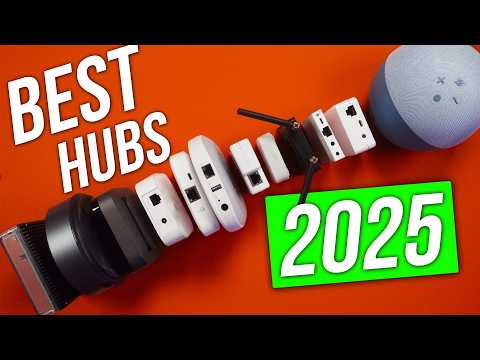
If you have ever walked into a room and clicked four different apps just to turn off the lights, lock the doors, and adjust the thermostat, you know exactly why the best smart home hub has become an absolute necessity rather than a luxury. The modern smart home landscape is incredibly fragmented, with dozens of competing protocols and ecosystems fighting for your attention. Without a central controller, your devices remain isolated islands of automation. A smart home hub acts as the brain of your connected house, translating disparate communication languages into one seamless, unified experience. Whether you are a beginner or a seasoned enthusiast, choosing the right central smart home controller can make or break your smart home experience. In this guide, we will break down the top contenders, compare their strengths, and help you find the perfect match for your lifestyle.
Why You Need the Best Smart Home Hub for Unified Control

Smart home automation should simplify your life, not complicate it. When you invest in the best smart home hub, you gain the power to create routines that bridge different brands and protocols. Imagine setting a “Goodnight” scene that simultaneously locks your smart locks, dims your Zigbee bulbs, and arms your security cameras—all with a single voice command or a single tap. Without a hub, many smart devices rely on cloud connectivity to communicate with one another, introducing latency, potential outages, and privacy vulnerabilities. A true smart home hub processes commands locally or through a robust bridge, ensuring your automations remain fast and reliable. Furthermore, the best central smart home controller supports Matter, ensuring your investments remain future-proofed.
Top Smart Home Hubs Compared
Not all home automation hubs are created equal. The right choice depends entirely on your existing ecosystem, your tolerance for technical complexity, and the level of control you demand. Below is a comparison table highlighting the core features of the leading options in the market today.
| Hub Name | Best For | Key Protocols | Setup Difficulty |
| Samsung SmartThings | Beginners & Versatility | Zigbee, Z-Wave, Wi-Fi, Matter | Easy |
| Hubitat Elevation | Privacy & Local Control | Zigbee, Z-Wave | Moderate |
| Home Assistant | Advanced DIY Enthusiasts | Zigbee, Z-Wave, Wi-Fi, Thread | Hard |
| Apple HomeKit | Apple Ecosystem Users | Thread, Wi-Fi, Matter | Easy |

Samsung SmartThings – The Versatile Powerhouse
For years, Samsung SmartThings has been the gold standard for the best smart home hub for the average consumer. It offers an incredibly user-friendly mobile app that walks you through the setup process in minutes. SmartThings natively supports Zigbee and Z-Wave, meaning you do not always need separate bridges for each protocol. Its massive compatibility list includes thousands of third-party devices, from smart plugs to robot vacuums. Matter integration ensures SmartThings remains relevant as the industry standard evolves. If you are looking for a smart home hub for beginners that does not require coding knowledge, SmartThings is the undisputed champion of versatility.
Hubitat Elevation – The Privacy-Focused Local Option
If privacy and lightning-fast automations are your top priorities, the Hubitat Elevation C-8 is arguably the best central smart home controller for power users. Unlike cloud-dependent hubs, Hubitat processes automations locally on its internal hardware. This means that if your internet goes down, your smart home continues to function perfectly. Hubitat strongly relies on Z-Wave and Zigbee, offering rock-solid reliability and sub-second automation triggers. While the user interface is slightly more technical than SmartThings, it provides unparalleled granular control. For those concerned about data collection, the Hubitat hub is a fortress, keeping all your home automation data safely within your four walls.
Home Assistant – The Ultimate DIY Choice
When you reach the advanced tier of smart home automation, Home Assistant is the undisputed king. It is an open-source platform that transforms a Raspberry Pi or a mini-PC into the most powerful home automation hub available. Home Assistant integrates with virtually every smart device imaginable, using hundreds of integrations. However, this is not a plug-and-play solution. It requires Linux knowledge and a willingness to troubleshoot. If you want the absolute best smart home hub and you are willing to invest hours into customization, Home Assistant offers limitless possibilities that no commercial product can match. It is the ultimate expression of total control over your digital life.
Apple HomeKit – The Seamless Ecosystem
For those deeply entrenched in the Apple ecosystem, the best smart home hub often comes in the form of an Apple TV, HomePod, or iPad functioning as a home hub. HomeKit prioritizes security and privacy, encrypting all communication end-to-end. The setup is beautifully simple, and the user interface on iOS is arguably the most polished in the industry. However, the trade-off is compatibility; HomeKit supports fewer devices than SmartThings or Home Assistant. If your home runs exclusively on Apple-friendly hardware or devices with Matter support, HomeKit is an elegant, reliable, and incredibly intuitive choice for a smart home hub for beginners.
How to Choose the Best Smart Home Hub for Your Needs
Selecting the right home automation hub requires balancing your technical skills with the complexity of your ambitions. Focus on a few critical criteria to narrow your options effortlessly. First, consider the protocols your devices use. If you own a mix of Zigbee, Z-Wave, and Wi-Fi devices, you need a controller that supports them natively. Second, evaluate your processing preference. Cloud processing offers easy remote access but introduces dependency, whereas local processing ensures reliability but limits remote access. Finally, think about the user interface; if you are not a programmer, avoid platforms that demand constant terminal usage. The best central smart home controller is the one that disappears into the background while doing the heavy lifting for you.
Protocol Compatibility: Zigbee, Z-Wave, and Matter
Understanding smart home protocols is crucial when choosing a controller. Zigbee and Z-Wave are low-power mesh networks designed specifically for smart home devices, allowing sensors to communicate and extend network range. Matter is the newest standard, designed to unify these ecosystems, allowing Apple HomeKit, Google Home, and Amazon Alexa devices to talk to the same hub seamlessly. When evaluating the best smart home hub, ensure it supports Matter over Thread if you want to future-proof your investment. A hub with strong protocol support means you are never locked into a single brand, giving you the freedom to mix and match the best devices on the market.
Local Processing vs. Cloud Processing
One of the most significant differentiators among smart home hubs is where your automations are processed. Cloud-dependent hubs send your commands to remote servers, returning instructions to your devices. While this is easy to set up, it means that a server outage or an internet drop can disable your automations. On the other hand, local processing keeps everything within your home network. The best smart home hub for reliability is one that processes automations locally. Hubitat and Home Assistant excel in this area, ensuring that your smart lights turn on the moment you walk into a room, regardless of your ISP’s uptime. For peace of mind and instantaneous response times, always prioritize local execution.
Expert Tips for Maximizing Your Smart Home Hub Performance
Once you have installed the best central smart home controller, your journey is far from over. To extract maximum value from your setup, follow these expert recommendations. First, place your hub centrally in your home. Since Zigbee and Z-Wave rely on mesh networking, a central location ensures the best signal distribution to every corner of your house. Second, avoid overloading a single hub with thousands of devices; some hubs perform better with fewer automations. Third, regularly update your hub’s firmware. Manufacturers constantly patch security vulnerabilities and improve protocol compatibility. Finally, create meaningful room groupings and naming conventions within your hub’s app. Naming your “Living Room Ceiling Fan” clearly ensures that your voice assistants and automations execute commands accurately without frustrating miscommunications.
Frequently Asked Questions
- What is the best smart home hub for beginners? Samsung SmartThings is widely considered the best entry point for new users. Its intuitive app, broad device compatibility, and easy Matter support mean you can start building automations immediately without any technical headaches or coding knowledge.
- Can you use a smart home hub without a subscription? Yes, the vast majority of smart home hubs operate without any monthly fees. While some advanced features on cloud-based platforms might require a premium tier, core automations, local controls, and device management remain entirely free once you purchase the hardware.
- Which smart home hub has the best device compatibility? Home Assistant holds the crown for compatibility, supporting thousands of integrations out of the box. However, for a more user-friendly experience, Samsung SmartThings offers an exceptional balance of wide compatibility and ease of use, bridging almost all major smart home brands.
- Is HomeKit the best smart home hub for Apple users? For those who exclusively use Apple devices, HomeKit is the natural choice. It offers the most seamless, secure, and polished integration with iPhone, iPad, and Apple Watch, though it restricts your device choices to the smaller list of certified accessories.
- Does the best smart home hub require a central server? Not necessarily. Consumer hubs like SmartThings or Hubitat are standalone devices that do not require a dedicated server. However, advanced users seeking the ultimate in control often build a central server using a Raspberry Pi or mini-PC running Home Assistant to maximize processing power and storage.
Conclusion
Finding the best smart home hub ultimately comes down to understanding your specific needs, your technical comfort level, and the ecosystems you already live in. For the casual user wanting plug-and-play simplicity, Samsung SmartThings provides an unmatched blend of ease and capability. The privacy-focused enthusiast will find a steadfast ally in Hubitat Elevation, while the tinkerer who wants absolute control must embrace Home Assistant. No matter which path you choose, integrating a central smart home controller transforms your disconnected gadgets into a cohesive, intelligent home. By prioritizing local processing, protocol compatibility, and a robust user interface, you ensure that your smart home truly serves you. Take the time to evaluate your options, invest in the right home automation hub, and enjoy the seamless, automated lifestyle you have always envisioned.