


If you are searching for audio equipment for sale, you are stepping into a world where sound quality transforms how you experience music, podcasts, and professional recordings. Whether you are a budding audiophile building a dedicated listening room, a content creator assembling a home studio, or a seasoned engineer looking for a specific piece of vintage gear, the market is overflowing with options. Finding the right audio gear for sale requires more than just clicking “buy” on the first deal you see. It demands an understanding of your sonic goals, your budget constraints, and the technical specifications that separate a mediocre listening experience from an audiophile-grade masterpiece. This comprehensive guide will walk you through the landscape of available gear, helping you navigate the best audio equipment for sale today with confidence and expertise.
Why Investing in Quality Sound Gear Matters
When browsing audio equipment for sale, it is tempting to opt for the cheapest option. However, cheap audio gear often compromises on frequency response, dynamic range, and long-term durability. High-quality sound equipment captures the nuances of a recording—the subtle breath of a vocalist, the deep rumble of a bass guitar, or the shimmer of a cymbal. Investing in professional audio gear means investing in longevity and sonic fidelity. Modern hi-fi equipment is engineered with advanced digital signal processing (DSP) and premium capacitors to minimize distortion and deliver a perfectly flat frequency response. This accuracy is crucial for mixing and mastering, where even the slightest coloration can ruin a track. Even for casual listening, superior gear reveals hidden layers in your favorite tracks that standard consumer earbuds simply cannot reproduce, transforming everyday moments into truly immersive acoustic experiences.
Essential Categories of Audio Equipment for Sale

The audio market is remarkably diverse, and understanding the different categories will help you narrow down your search effectively. Here are the primary segments of professional audio gear currently available on the market:
Studio Monitors and Speakers
Active studio monitors are the heartbeat of any recording or professional listening setup. Unlike generic consumer speakers that artificially color the sound to sound artificially “exciting,” studio monitors provide a flat, accurate representation of the audio signal. When looking for studio monitors for sale, consider nearfield monitors for smaller rooms and midfield monitors for larger spaces. Brands like Genelec, Yamaha, and KRK dominate this space, offering exceptional clarity at various price points. Properly pairing your monitor with your room’s acoustics is essential to avoid standing waves and unwanted bass buildup, ensuring your mixes translate perfectly to other playback systems.
Audio Interfaces and Mixers
An audio interface converts analog signals into digital data your computer can process, while a mixer allows you to balance multiple sound sources simultaneously. If you are buying audio equipment for sale in this category, prioritize preamp quality, connectivity options, and overall latency performance. Thunderbolt and USB-C interfaces offer the lowest latency, which is critical for real-time monitoring during recording sessions. For live sound reinforcement or complex studio environments, a digital mixer provides intuitive control over multiple channels, effects sends, and routing matrices without the need for external hardware processors.
Headphones and Microphones

No setup is complete without reliable monitoring and capture tools. Closed-back headphones are ideal for tracking, preventing sound leakage from bleeding into your sensitive microphones, while open-back models deliver a spacious, natural soundstage perfect for critical mixing and mastering. When shopping for microphones, dynamic mics excel at loud sources like guitar amps and snare drums, whereas condenser mics capture the intricate details of acoustic instruments and delicate vocals. The right microphone choice fundamentally shapes the character, warmth, and overall clarity of your final recording.
Beginner, Intermediate, and Advanced Gear Compared
Understanding where you stand in your audio journey helps you allocate your budget wisely and avoid overpaying for features you do not yet need. The table below breaks down what to expect at each level when searching for audio equipment for sale.
| Category | Beginner Gear | Intermediate Gear | Advanced Gear |
| Speakers | 5-inch nearfield monitors, entry-level bookshelf | 8-inch nearfields, high-fidelity passive systems | Mastering-grade monitors, full-range pro systems |
| Interfaces | 2-in/2-out USB, basic preamps | 4-in/4-out USB-C, premium vintage preamps | High-channel Dante/AES digital platforms |
| Headphones | Entry-level closed-back, decent detail | Premium closed-back, tuned for mixing | Reference-grade open-back, ultra-linear |
Expert Tips for Purchasing Audio Equipment
Navigating the second-hand market or even retail stores for audio gear for sale requires a savvy approach. Here are practical recommendations to ensure you get the best value for your money:
- Always check the frequency response: Before purchasing any speaker or headphone, review its frequency response curve. A perfectly flat line from 20Hz to 20kHz is the goal for mixing, though slightly colored gear might suit specific listening preferences.
- Consider the total cost of ownership: Sometimes, affordable audio equipment for sale requires expensive accessories, like specific power conditioners, premium speaker cables, or replacement parts. Factor these additional costs into your budget.
- Test before you buy: If possible, audition the gear in person. Every room has its acoustic quirks, and what sounds exceptional in a demo room might not suit the unique sound characteristics of your own space.
- Inspect used gear thoroughly: When buying pre-owned equipment, listen carefully for buzzing, crackling, or blown drivers. Check for cosmetic damage that might indicate previous internal abuse or rough handling during transport.
Buyers frequently overlook the critical importance of acoustic treatment. Even the most expensive professional audio gear will sound flawed in an untreated room with excessive reflections and standing waves. Pair your monitors with broadband absorbers and dedicated bass traps to unlock their true potential and achieve a genuinely accurate listening environment.
Frequently Asked Questions About Audio Equipment for Sale
What is the best audio equipment for beginners?
For beginners, the best audio equipment for sale includes a simple 2-in/2-out USB audio interface, a pair of entry-level nearfield monitors, and a versatile large-diaphragm condenser microphone. Focus on gear that is easy to set up and offers a flat frequency response so you can learn the fundamentals of sound without being overwhelmed by complex routing or expensive add-ons. Starting simple allows you to grow your skills before investing in high-end components.
Where can I buy affordable studio monitors?
You can find affordable studio monitors for sale through authorized dealer closeout sales, manufacturer refurbished programs, and reputable online marketplaces dedicated to audio gear. Always verify the seller’s return policy and warranty status before committing. Buying directly from manufacturers during holiday sales or back-to-school promotions often yields the deepest discounts on entry-level and mid-range nearfield monitors.
How much should I spend on hi-fi audio gear?
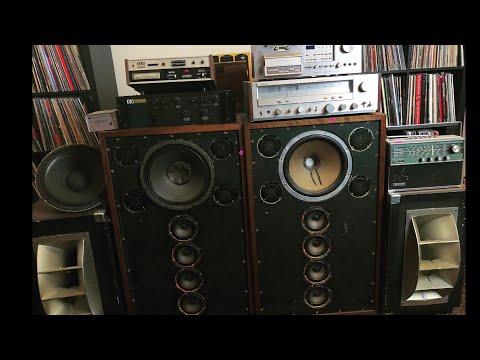
Your budget for hi-fi audio equipment depends entirely on your personal listening goals. Entry-level hi-fi systems start around $300, offering a massive upgrade from standard Bluetooth speakers. Intermediate systems range from $1,000 to $3,000, delivering incredible detail and dynamics that bring your music to life. True audiophile-grade gear can exceed $10,000, but diminishing returns set in quickly, making the mid-range sweet spot the absolute best value for most serious enthusiasts.
Is buying used audio equipment a good idea?
Yes, buying used audio equipment is an excellent way to access higher-tier professional gear for significantly less money. Many pieces of pro audio gear are built to last decades and are fundamentally over-engineered for their original price class. When purchasing pre-owned items, look for units with original receipts or remaining manufacturer warranties, and always request audio samples or video demonstrations of the gear in actual operation to verify performance.
What audio equipment do I need for a home studio?
A functional home studio requires a core set of professional gear: an audio interface for conversion and connectivity, studio monitors for accurate playback, a quality microphone for capturing audio, and a reliable DAW (Digital Audio Workstation) software. Additional equipment like acoustic treatment panels, a MIDI controller, and dedicated studio headphones will further enhance your recording environment and streamline your creative workflow.
Final Thoughts on Finding the Right Gear
Navigating the world of audio equipment for sale is an exciting journey that balances technical knowledge with personal listening preferences. Whether you are stepping into the world of professional audio for the first time or upgrading an established rig, the right gear will elevate your sonic experience to unprecedented heights. By focusing on quality, understanding your specific needs, and following the expert recommendations outlined above, you are well-equipped to make a purchase that delivers years of uninterrupted listening satisfaction. Take your time, compare your options carefully, and trust your ears—the perfect piece of sound gear is waiting for you.