


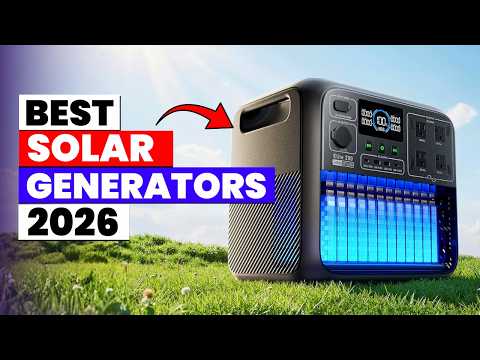
A solar backup generator represents one of the most significant advancements in residential and commercial energy resilience. As power outages become more frequent due to extreme weather events, grid infrastructure aging, and increased demand, homeowners and business operators are turning to solar-powered backup solutions to keep their essential systems running. Unlike conventional gasoline or diesel generators, a backup generator solar system harnesses renewable sunlight, stores it in batteries, and delivers reliable electricity when the grid fails. This guide explores everything you need to know about solar backup generators, from how they work and what components make them tick to expert purchasing advice, installation considerations, and answers to the most common questions prospective buyers have.
What Is a Solar Backup Generator and Why It Matters
A backup generator solar system is an integrated energy solution that combines solar panels, a charge controller, a battery bank, and an inverter to store and deliver electricity during outages. The core philosophy is simple yet powerful: capture energy from the sun during daylight hours, store it in lithium-ion or lead-acid batteries, and seamlessly switch to that stored power when utility electricity goes down. This approach eliminates the need for fossil fuels, reduces long-term operating costs, and provides a quieter, cleaner alternative to traditional portable or standby generators.
The importance of solar backup generators has surged in recent years. Climate change has intensified storms, wildfires, and heat waves, all of which strain electrical grids and cause prolonged blackouts. The U.S. Energy Information Administration reports that the average American experienced over eight hours of power interruptions in 2023 alone. For households relying on medical equipment, home offices, or perishable food storage, even a few hours without power can cause significant disruption. A solar backup generator offers a sustainable, cost-effective safeguard against these growing risks.
How Solar Backup Generators Work
The Solar Energy Capture Process

The journey begins with photovoltaic panels mounted on rooftops or ground arrays. These panels contain silicon cells that convert sunlight into direct current (DC) electricity. The efficiency of this conversion depends on panel type, orientation, tilt angle, and local solar irradiance. Monocrystalline panels generally offer the highest efficiency, typically between 20% and 24%, making them ideal for backup generator solar setups where space may be limited.
Energy Storage and Battery Management
Once generated, DC electricity flows through a charge controller, which regulates voltage and current to prevent overcharging and maximize battery lifespan. The energy is then stored in a battery bank, most commonly using lithium iron phosphate (LiFePO4) chemistry due to its superior cycle life, thermal stability, and safety profile. A well-sized battery bank can store anywhere from 5 kWh to 50 kWh, depending on the system configuration and the household’s power demands.
Seamless Power Delivery During Outages
When the grid goes down, a transfer switch or hybrid inverter detects the loss of utility power and automatically switches the load to the battery bank. The inverter converts the stored DC power into alternating current (AC) electricity, which is the standard used by household appliances and electronics. This transition typically happens within milliseconds, ensuring that sensitive electronics like computers and medical devices experience no interruption. The system continues to power essential loads until either grid power is restored or the batteries are recharged by the solar panels.

Key Components of a Solar Backup Generator System
Understanding the individual components of a solar backup generator helps you make informed decisions about system sizing, quality, and compatibility.

- Solar Panels: The primary energy harvesters. Consider monocrystalline panels for maximum efficiency or polycrystalline panels for budget-conscious installations.
- Hybrid Inverter: Manages the flow of electricity between panels, batteries, and the grid. Modern hybrid inverters support grid-tied operation, off-grid mode, and battery charging.
- Battery Storage Unit: Stores excess solar energy for use during outages. Lithium-ion batteries are preferred for their deep discharge capability, long lifespan (often 10–15 years), and compact footprint.
- Charge Controller: Regulates the charging process to protect batteries and optimize performance, especially in systems with variable solar input.
- Automatic Transfer Switch (ATS): Detects grid failure and switches the home’s electrical load to the solar backup system seamlessly.
- Monitoring System: Software or apps that track energy production, consumption, battery state of charge, and grid status in real time.
Solar Backup Generator vs Traditional Generator: A Head-to-Head Comparison
Before investing in a solar backup generator, it is essential to understand how it compares to conventional options. The table below outlines the key differences across several critical dimensions.
| Feature | Solar Backup Generator | Traditional Gas Generator | Standby Propane Generator |
| Fuel Source | Sunlight (renewable) | Gasoline (finite, volatile pricing) | Propane (finite, stable pricing) |
| Operating Cost | Near zero after installation | High — fuel costs add up quickly | Moderate to high |
| Noise Level | Silent operation | Loud (70–100 dB) | Moderate (60–80 dB) |
| Maintenance | Minimal — panel cleaning and battery check | Regular oil changes, filter replacements | Regular maintenance required |
| Emissions | Zero emissions | CO, CO₂, NOx, particulate matter | Lower emissions than gasoline |
| Runtime | Unlimited with sun; limited by battery at night | Limited by fuel supply | Limited by propane tank size |
| Installation Complexity | Moderate to high | Low to moderate | Moderate |
| Upfront Cost | $5,000 – $25,000+ | $500 – $3,000 | $3,000 – $8,000 |
| Lifespan | 20–25 years (panels), 10–15 years (batteries) | 5–10 years | 10–20 years |
The comparison table reveals that while solar backup generators carry a higher upfront investment, their total cost of ownership over a decade or more is significantly lower. The elimination of fuel costs, minimal maintenance requirements, and environmental benefits make them an increasingly attractive choice for eco-conscious homeowners and those seeking long-term energy independence.
Choosing the Right Solar Backup Generator for Your Home
Selecting the appropriate solar backup generator system requires careful evaluation of your energy needs, budget, and local conditions. Follow these steps to make a confident decision.
- Calculate Your Essential Load: Identify which appliances and circuits must remain powered during an outage. A refrigerator, sump pump, medical equipment, Wi-Fi router, and a few lights might total 1,500–3,000 watts. Add up the wattage of each device and estimate daily consumption in kilowatt-hours.
- Assess Your Solar Potential: Evaluate your roof’s orientation, tilt, and shading. South-facing roofs in the Northern Hemisphere typically receive the most sunlight. Use tools like the National Renewable Energy Laboratory’s PVWatts Calculator to estimate daily solar production at your location.
- Size Your Battery Bank: Match your battery capacity to your backup duration needs. If you want to power essential loads for 24 hours during a blackout, your battery bank should store at least the total daily consumption of those loads, plus a buffer for inefficiencies.
- Select a Compatible Hybrid Inverter: Ensure the inverter supports both grid-tied and off-grid operation, has sufficient capacity for your peak loads, and integrates well with your chosen battery chemistry.
- Consider Scalability: Choose a system that can be expanded later. Many modern solar backup platforms allow you to add panels or battery modules as your energy needs grow or budgets permit.
Expert Tip: Always work with a certified solar installer who can perform a detailed load analysis and site assessment. Proper system design is the single most important factor in ensuring your solar backup generator performs reliably when you need it most.
Installation Considerations and Expert Tips
Installing a solar backup generator involves electrical work that should comply with local building codes and utility interconnection requirements. Here are key considerations to keep in mind.
- Permits and Inspections: Most jurisdictions require permits for solar energy systems, especially those connected to the grid. Your installer should handle the permitting process and schedule inspections.
- Net Metering and Grid Interaction: If your utility offers net metering, your system can export excess solar energy to the grid and earn credits. During an outage, however, grid-tied systems must disconnect from the grid for safety reasons, which is why a battery backup or hybrid inverter with islanding capability is essential.
- Battery Placement: Lithium-ion batteries should be installed in a cool, dry, well-ventilated area. Extreme temperatures reduce battery performance and lifespan, so consider climate-controlled spaces for optimal longevity.
- Panel Orientation and Tilt: Optimal panel tilt angle generally matches your geographic latitude. Adjustments may be needed seasonally for maximum energy capture.
- Maintenance Schedule: Clean panels at least twice a year to remove dust and debris. Check battery health indicators annually, and have your inverter inspected per the manufacturer’s recommendations.
Top Benefits of Solar Backup Generators
The advantages of a backup generator solar system extend far beyond simple outage protection. Here are the most compelling benefits that drive homeowners and businesses toward solar backup solutions.
- Energy Independence: Reduce or eliminate your reliance on the grid and volatile fuel markets. A solar backup generator gives you control over your own power supply.
- Financial Savings: Lower electricity bills through solar production, and avoid the escalating cost of gasoline and propane. Many systems pay for themselves within 5 to 8 years.
- Environmental Impact: Solar energy produces zero greenhouse gas emissions during operation, contributing directly to your household’s carbon footprint reduction goals.
- Quiet, Clean Operation: No more noisy generators disturbing your neighbors or emitting fumes. Solar backup systems operate silently and produce no harmful exhaust.
- Increased Property Value: Homes with solar battery backup systems consistently appraise higher and sell faster than those without, according to multiple real estate studies.
- Grid Services and Incentives: In many regions, solar battery systems qualify for federal tax credits, state rebates, and utility incentives. The federal Investment Tax Credit (ITC) currently covers 30% of the total system cost for eligible installations.
Conclusion
A solar backup generator is far more than a convenience — it is a strategic investment in energy resilience, financial savings, and environmental responsibility. Whether you are preparing for the next major storm, seeking to reduce your carbon footprint, or simply tired of fuel-dependent generators that sit idle for months, a well-designed solar backup system delivers reliable power exactly when you need it most. By understanding the components, comparing options carefully, and partnering with qualified professionals, you can build a solar backup solution that provides years of dependable service and peace of mind.
Frequently Asked Questions About Solar Backup Generators
How long can a solar backup generator power a house during a blackout?
The backup duration depends entirely on your battery capacity and the load you are running. A system with a 10 kWh battery bank can typically power essential household loads — such as lights, refrigeration, and communications — for 12 to 24 hours. If your solar panels are receiving sunlight during the outage, they will continuously recharge the batteries, effectively extending runtime indefinitely as long as solar input is available.
Can I install a solar backup generator system myself?
While some pre-packaged solar backup generator kits are marketed for DIY installation, we strongly recommend hiring a licensed and certified solar installer. Proper electrical wiring, battery management, code compliance, and utility interconnection require professional expertise. An incorrectly installed system can void warranties, create safety hazards, and fail to deliver expected performance during critical moments.
What is the lifespan of a solar backup generator battery?
Most modern lithium-ion batteries used in solar backup systems are rated for 4,000 to 6,000 charge cycles, which translates to roughly 10 to 15 years of useful life. Lead-acid batteries, though less common in modern setups, typically last 3 to 5 years. Temperature management and avoiding deep discharge cycles significantly extend battery longevity.
Do solar backup generators work during cloudy or rainy days?
Yes, but with reduced efficiency. Solar panels still generate electricity on cloudy days, though production drops by 10% to 25% depending on cloud density. During extended periods of low sunlight, your battery bank becomes the primary power source. This is why properly sizing your battery storage is critical for reliable backup performance in regions with frequent overcast weather.
Are there federal tax incentives for installing a solar backup generator?
Yes. Under the Inflation Reduction Act of 2022, homeowners who install solar energy systems — including solar-plus-battery backup — qualify for a 30% federal Investment Tax Credit (ITC). Some states and utility companies offer additional rebates and incentives, which can significantly reduce the net cost of your solar backup generator installation. Consulting a local tax professional and a reputable solar installer can help you maximize all available benefits.