


The year 2015 marked a turning point in wearable technology, with the smartwatch industry evolving from basic notification gadgets into genuine extensions of our digital lives. Whether you were a fitness enthusiast, a busy professional, or simply someone curious about wrist-worn computing, the options available that year were more diverse and capable than ever before. This 2015 smartwatch comparison guide breaks down the most notable devices on the market, helping you understand which smartwatch best matched real-world needs, budgets, and lifestyle preferences.
Why the 2015 Smartwatch Landscape Mattered
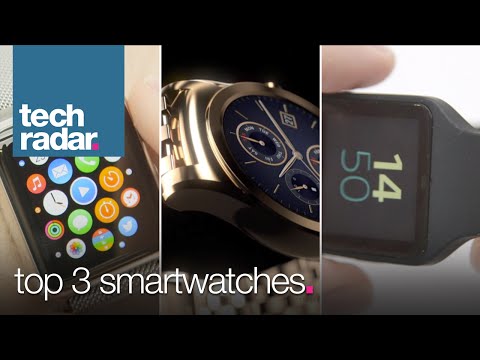
Before diving into individual models, it helps to understand what made 2015 such a pivotal year. Three major shifts reshaped the ecosystem: major brands entered the space with polished designs, operating systems matured to support genuine third-party apps, and health tracking capabilities became genuinely useful rather than gimmicky. Consumers were no longer forced to choose between style and functionality — they could have both.
The key players competing during this period included Apple, Samsung, Motorola, LG, and Pebble, each bringing a distinct philosophy to smartwatch design. Some prioritized elegance, others focused on fitness, and a few championed affordability.
Top Smartwatches of 2015 — Detailed Breakdown
1. Apple Watch (Series 0)
Released in April 2015, the Apple Watch quickly became the most talked-about wearable device on the planet. Its success was not just marketing hype — the watch delivered a refined user experience powered by watchOS, a dedicated operating system designed specifically for a small wrist-mounted screen.
- Display: 1.5-inch Retina OLED with Force Touch
- Compatibility: iPhone 5 and later (iOS 8.2+)
- Battery Life: Approximately 18 hours
- Fitness Tracking: Built-in accelerometer, gyroscope, and heart rate sensor
- App Ecosystem: Thousands of third-party apps available at launch
The Apple Watch excelled in build quality and integration with the Apple ecosystem. Its Digital Crown and Force Touch interface made navigation intuitive, setting a new standard for how people interacted with smart devices on their wrists.
2. Samsung Gear S
Samsung’s Gear S differentiated itself by packing a curved Super AMOLED display and offering built-in 3G cellular connectivity, meaning users could make calls and send messages without a phone nearby. It ran Tizen OS and featured a full QWERTY keyboard for on-wrist typing.
- Display: 2-inch curved Super AMOLED (360 x 480)
- Compatibility: Select Samsung and Android smartphones
- Battery Life: Up to 2–3 days
- Standout Feature: Built-in GPS and cellular modem
- App Ecosystem: Growing but smaller than Apple’s
The Gear S was ideal for users who wanted independence from their phone, though its app selection and brand lock-in remained notable limitations.
3. Moto 360
Motorola’s Moto 360 captured attention with its unmistakably round design, running Android Wear (now Wear OS). It offered a classic watch aesthetic that appealed to style-conscious buyers who did not want a bulky, rectangular screen on their wrist.
- Display: 1.56-inch round AMOLED (320 x 290)
- Compatibility: Android 4.3+ and iOS (limited functionality)
- Battery Life: Roughly 1–1.5 days
- Standout Feature: Premium design at a mid-range price
- Fitness Tracking: Basic step counting and motion tracking
While battery life was the Moto 360’s Achilles heel, its sleek form factor and tight integration with Google Now made it a favorite among Android users seeking a refined smartwatch experience.
4. LG G Watch R
LG released the G Watch R shortly after the Moto 360, competing directly with Motorola’s offering. The G Watch R featured a fully circular P-OLED display enclosed in a metallic chassis that looked and felt premium.
- Display: 1.3-inch round P-OLED (360 x 360)
- Compatibility: Android 4.3+ and iOS (limited)
- Battery Life: Approximately 1 day
- Standout Feature: High-resolution circular display
- Price Point: More affordable than Moto 360 at launch
The LG G Watch R provided excellent value, though its round screen occasionally left unused space for app interfaces designed for rectangular displays.
5. Pebble Steel and Pebble Time
Pebble carved out a loyal following by championing extended battery life and open development platforms. The Pebble Steel offered a stainless steel design with an e-paper display, while the Pebble Time (released mid-2015) introduced a color e-paper screen and a redesigned timeline interface.
- Display: E-paper (mono for Steel, color for Time)
- Compatibility: Android and iOS
- Battery Life: 5–7 days (Steel), 7 days (Time)
- Standout Feature: Industry-leading battery endurance
- App Ecosystem: Pebble SDK with thousands of community-built apps
Pebble was the budget-friendly option that delivered remarkable longevity — perfect for users who disliked daily charging rituals.
Head-to-Head Comparison Table
| Smartwatch | OS | Display | Battery | Price (USD) | Best For |
| Apple Watch | watchOS | 1.5″ Retina OLED | ~18 hrs | $349+ | iPhone users seeking premium experience |
| Samsung Gear S | Tizen | 2″ curved AMOLED | 2–3 days | $299 | Android users wanting cellular independence |
| Moto 360 | Android Wear | 1.56″ round AMOLED | 1–1.5 days | $249 | Style-focused Android users |
| LG G Watch R | Android Wear | 1.3″ round P-OLED | ~1 day | $229 | Budget-conscious style seekers |
| Pebble Time | Pebble OS | 1.4″ color e-paper | ~7 days | $199 | Battery life enthusiasts on a budget |
How to Choose the Right Smartwatch for You

Selecting the perfect smartwatch in 2015 depended on several factors that went beyond raw specifications. Here is a practical framework to guide your decision.
Consider Your Primary Phone Ecosystem
If you owned an iPhone, the Apple Watch was essentially your only fully functional choice. Samsung’s Gear S worked best with Samsung devices running Android. Meanwhile, Android Wear watches like the Moto 360 and LG G Watch R supported a wide range of Android phones but offered limited functionality on iOS.
Evaluate Battery Life Expectations
Nothing frustrates a smartwatch buyer more than charging the device every single night. The Apple Watch required daily charging, while Pebble devices and the Samsung Gear S offered multi-day endurance. If you hate thinking about battery levels, prioritize devices rated for 48 hours or more on a single charge.
Think About Health and Fitness Goals
In 2015, most smartwatches tracked steps, calories, and basic heart rate data. The Apple Watch stood out for its integrated heart rate sensor and comprehensive Health app integration. Samsung’s Gear S included built-in GPS for accurate outdoor workout tracking without your phone.
Set a Realistic Budget
Prices ranged from approximately $199 for the Pebble Time to over $349 for the Apple Watch. Setting a clear budget before shopping prevented impulse purchases and ensured you found a device delivering the features you actually needed.
Prioritize Design and Comfort
Since you wear a smartwatch all day, comfort matters enormously. Round displays generally felt more like traditional watches, while rectangular designs offered more screen real estate for notifications and apps. Visit a physical retailer if possible to try on different models before committing.
Expert Tips for First-Time Smartwatch Buyers
- Check compatibility first — verify that the smartwatch works seamlessly with your smartphone’s operating system and version.
- Read the fine print on cellular models — a smartwatch with built-in GPS and 3G typically requires a separate data plan, adding monthly costs.
- Consider aftermarket bands — most 2015 smartwatches used proprietary connectors, but third-party accessories expanded style options significantly.
- Test notification management — a smartwatch that floods you with every phone notification becomes useless quickly; customize your alert preferences from day one.
- Wait for software updates — early firmware often had bugs; give manufacturers 2–3 months to deliver stability patches before passing final judgment.
Final Verdict
The 2015 smartwatch market gave consumers compelling reasons to invest in wearable technology. The Apple Watch dominated for iPhone users who wanted the most polished experience. Samsung’s Gear S won for those craving cellular independence. The Moto 360 and LG G Watch R delivered excellent Android Wear experiences at mid-range prices, while the Pebble Time remained the king of battery life and affordability. Your ideal choice depended entirely on your phone, priorities, and willingness to compromise on battery or app selection.
Frequently Asked Questions (FAQs)
1. Which 2015 smartwatch offered the best battery life?
The Pebble Time and Pebble Steel led the pack with 5–7 days of battery life, far outpacing competitors like the Apple Watch and Moto 360 that required daily or near-daily charging.
2. Can I use an Android Wear smartwatch with an iPhone?
Yes, but with significant limitations. Android Wear watches offered basic notification mirroring on iOS but lacked full functionality, including voice replies, Google Now integration, and many third-party apps.
3. Was the Samsung Gear S worth the extra cost over other 2015 smartwatches?
The Gear S justified its price for users who valued built-in 3G connectivity and a curved display. However, its smaller app ecosystem and limited compatibility outside Samsung devices made it less appealing for the broader market.
4. How accurate was the heart rate monitoring on 2015 smartwatches?
The Apple Watch provided the most consistent heart rate readings, thanks to its dedicated photoplethysmography sensor. Other models like the Samsung Gear S offered similar accuracy during steady-state activities but could lag during high-intensity workouts.
5. What is the difference between Android Wear and Samsung’s Tizen OS?
Android Wear is Google’s wearable platform, offering deep integration with Google services and a large developer community. Tizen is Samsung’s proprietary operating system, optimized for Samsung hardware with tighter control over app quality but a smaller overall library.