


The smartphone market in 2026 has evolved at a breathtaking pace, with artificial intelligence woven into nearly every layer of the user experience. Whether you are a first-time buyer stepping into the mobile ecosystem or a seasoned tech enthusiast hunting for the next flagship, this 2026 smartphone buying guide will walk you through every critical decision point. From chipset performance and display refresh rates to AI-powered photography and battery longevity, we break down what matters most so you can invest your money wisely. Navigating the flood of marketing jargon can feel overwhelming, but armed with the right knowledge, you will walk into any store or online retailer with total confidence.
Why 2026 Is a Transformative Year for Smartphone Technology
The devices launching in 2026 represent a generational leap rather than a minor iteration. On-device generative AI is no longer a buzzword; it is a core utility that reshapes how we compose messages, edit photos, and interact with apps. Chipsets built on advanced 3-nanometer and even sub-3-nanometer processes deliver raw performance that rivals laptops from just a few years ago. Meanwhile, satellite connectivity has moved from a niche emergency feature to a mainstream standard on mid-range handsets. Understanding these shifts is essential before you commit to any purchase.
What Makes a 2026 Smartphone Future-Proof
Future-proofing your smartphone purchase means focusing on components that will remain relevant for at least four to five years of software support. Look for devices that guarantee major OS updates through 2030 or beyond. Ample RAM, typically 12 GB or more in the premium segment, ensures smooth multitasking as apps grow more demanding. Expandable storage slots, while becoming rarer, are still a valuable asset if you prefer not to rely entirely on cloud services.
Key Features to Prioritize When Buying a Smartphone in 2026
Not every specification deserves equal attention. Some features deliver tangible daily benefits, while others exist more for marketing appeal. Here is a breakdown of the characteristics that should guide your decision.
Display Technology and Refresh Rate
The display is the single most interacted-with component on any mobile device. In 2026, LTPO AMOLED panels dominate the premium and upper-midrange tiers, offering adaptive refresh rates that scale smoothly between 1 Hz and 144 Hz. This adaptive behavior dramatically improves battery life without sacrificing fluidity during scrolling or gaming. When evaluating a screen, consider peak brightness in nits, color accuracy, and whether the panel supports HDR10 Plus or Dolby Vision for streaming content.
- Peak Brightness: Aim for at least 2,000 nits for comfortable outdoor visibility.
- Refresh Rate: 120 Hz has become the baseline for a buttery-smooth experience.
- Protection: Gorilla Glass Victus 2 or ceramic shield variants offer superior scratch and drop resistance.
Battery Life and Charging Speed
Battery capacity alone does not tell the full story. A 5,500 mAh cell paired with an efficient processor will easily outlast a 6,000 mAh battery in a less optimized device. Fast charging has matured significantly, with 100 W wired solutions capable of filling a large battery from zero to full in under 25 minutes. Wireless charging pads operating at 50 W are increasingly common, and reverse wireless charging lets you share power with accessories or other devices on the go.
- Prioritize real-world battery test results over manufacturer claims.
- Consider whether you need ultra-fast wired charging or are comfortable with slower, gentler power delivery.
- Evaluate whether the device supports both USB Power Delivery and proprietary fast-charging protocols.
Camera Systems Beyond Megapixel Count
Megapixel numbers are a poor indicator of image quality in 2026. Sensor size, pixel binning technology, optical image stabilization, and computational photography engines matter far more. Leading devices now feature periscope telephoto lenses with up to 10x optical zoom, wide-angle lenses with distortion correction, and dedicated night-mode processing that renders stunning low-light shots without visible grain.
| Feature | Entry-Level (2026) | Mid-Range (2026) | Premium (2026) |
|---|---|---|---|
| Main Sensor | 48 MP, 1/2.0″ | 50 MP, 1/1.56″ | 200 MP, 1/1.3″ |
| Ultrawide | 8 MP, fixed focus | 12 MP, autofocus | 50 MP, autofocus |
| Telephoto | 2 MP, macro | 10 MP, 3x optical | 10 MP, 5x periscope |
| Video Capability | 4K 30fps | 4K 60fps, EIS | 8K 30fps, DVC Pro |
| AI Processing | Basic scene detection | Adaptive HDR, object removal | Generative AI editing, real-time bokeh |
Processor and Performance

The chipset dictates everything from app launch speed to gaming frame rates. In the premium segment, the latest Snapdragon 8 Elite and Apple A19 Pro chips set the benchmark, while MediaTek Dimensity 9400 and Exynos 2500 offer compelling alternatives for Android enthusiasts. For budget buyers, Snapdragon 7s Gen 3 and Dimensity 7300-class processors deliver excellent value without noticeable compromises in everyday tasks.
Best Smartphones by Budget Tier in 2026
Choosing the right tier depends on your usage patterns, financial priorities, and long-term expectations. Below is a quick comparison of standout devices across three price bands.
| Category | Top Pick | Processor | Display | Battery | Starting Price (USD) |
|---|---|---|---|---|---|
| Budget | Samsung Galaxy A56 | Snapdragon 7s Gen 3 | 6.6″ AMOLED, 120Hz | 5,000 mAh | $349 |
| Mid-Range | Google Pixel 9a | Tensor G4 | 6.3″ OLED, 120Hz | 4,492 mAh | $499 |
| Premium | iPhone 17 Pro Max | A19 Pro | 6.9″ LTPO OLED, 120Hz | 4,685 mAh | $1,199 |
| Ultra-Premium | Samsung Galaxy S26 Ultra | Snapdragon 8 Elite Gen 2 | 6.9″ AMOLED, 144Hz | 5,500 mAh | $1,399 |
Each of these options serves a distinct audience. The Samsung Galaxy A56 proves that you do not need to spend a fortune to enjoy an AMOLED display and capable multi-camera performance. The Google Pixel 9a continues the tradition of computational photography dominance at a mid-range price. Meanwhile, the iPhone 17 Pro Max and Galaxy S26 Ultra push the boundaries of display technology, processing power, and creative workflows for professionals and power users alike.
Android vs iOS in 2026: Which Ecosystem Is Right for You
The operating system debate remains one of the most personal decisions in smartphone ownership. Android in 2026 offers unparalleled customization, broader hardware variety, and deeper integration with open-source tools. Google’s Pixel line exemplifies this with its clean software experience and industry-leading AI features like Gemini Nano running entirely on-device. iOS, on the other hand, delivers a polished, consistent experience with strong privacy controls and seamless ecosystem integration across Mac, iPad, Apple Watch, and AirPods.
If you value flexibility, budget options, and rapid access to new form factors, Android is the clear winner. If you prioritize long-term software stability, privacy-first design, and a tightly integrated digital lifestyle, Apple’s ecosystem remains exceptionally compelling. Neither choice is objectively better; the right answer depends entirely on your personal workflow and preferences.
How to Avoid Common Smartphone Buying Mistakes in 2026
Even informed buyers fall into traps. Here are the most common pitfalls and how to steer clear of them.
- Overpaying for specs you will never use: A 200 MP camera means little if you rarely take photos. Focus on features aligned with your actual daily routine.
- Ignoring software support timelines: A cheaper phone today can become a liability in two years if it stops receiving security patches. Always check the manufacturer’s update policy before purchasing.
- Falling for storage marketing tricks: 256 GB advertised often means less usable space after the operating system. Aim for at least 128 GB of free storage after initial setup.
- Skipping in-store testing: If possible, hold the device before buying. Ergonomics, weight distribution, and speaker quality are difficult to evaluate from spec sheets alone.
- Ignoring network compatibility: Verify that the specific model supports your carrier’s bands, especially if purchasing an international variant.
Expert Tips for Getting the Best Deal
Timing your purchase can save you hundreds of dollars. Major sales events like Amazon Prime Day, Black Friday, and regional festivals often bring significant discounts on previously released flagships. Carrier trade-in programs sometimes offer hidden value, especially if your current device is less than two years old. Additionally, consider purchasing refurbished or open-box units from reputable retailers with return policies. These devices undergo rigorous testing and often come with warranties, allowing you to access premium hardware at a fraction of the original cost.
Final Thoughts on the 2026 Smartphone Buying Guide
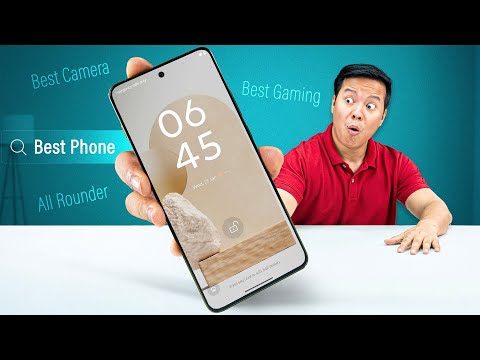
The best smartphone for you is the one that aligns with your priorities, fits comfortably in your daily routine, and delivers reliable performance for years to come. Do not chase every new feature blindly. Instead, identify your non-negotiables, compare real-world reviews, and make a deliberate choice. The 2026 lineup offers extraordinary options across every price bracket, and with the guidance in this buying guide, you are now equipped to find the perfect match.
Frequently Asked Questions
What is the most important factor to consider when buying a smartphone in 2026?
The most important factor is software support longevity. A device that receives major OS updates and security patches for five years or more will remain secure, functional, and relevant far longer than a phone with cutting-edge specs but a short update cycle. Combine this with a battery capacity of at least 4,500 mAh and a 120 Hz display for a well-rounded experience.
Is a 5G smartphone worth buying in 2026?
Absolutely. 5G networks are now widely available in most urban and suburban areas, and carrier infrastructure continues expanding rapidly. A 5G-enabled device ensures compatibility with faster mmWave and sub-6 GHz networks, delivers lower latency for gaming and video calls, and future-proofs your investment as carriers phase out older LTE bands over time.
How much RAM do you really need in a 2026 smartphone?
For most users, 8 GB of RAM is sufficient for everyday tasks like social media, messaging, browsing, and streaming. Power users who engage in heavy multitasking, mobile gaming, or video editing should target 12 GB or 16 GB. Devices with less than 6 GB of RAM in 2026 are generally only recommended for extremely light use or tight budgets.
Can AI features on a smartphone replace a dedicated camera for professional work?
On-device AI has dramatically improved computational photography, making smartphone cameras extraordinarily capable for social media content, travel photography, and even certain commercial applications. However, for professional studio work, specialized lens requirements, or extreme low-light scenarios demanding sensor sizes beyond what a phone can offer, a dedicated camera still holds a clear advantage. The gap narrows every year, but a complete replacement remains situational.
Should I buy a smartphone at launch or wait for price drops?
If you can wait two to three months after a device launches, prices typically drop as carriers offer promotional discounts, retailers clear launch inventory, and refurbished units enter the market. However, if you need the latest features immediately or your current device is failing, buying at launch is perfectly reasonable. Just ensure you are not paying a premium for a marginal upgrade over the previous generation.